
CEO’s note
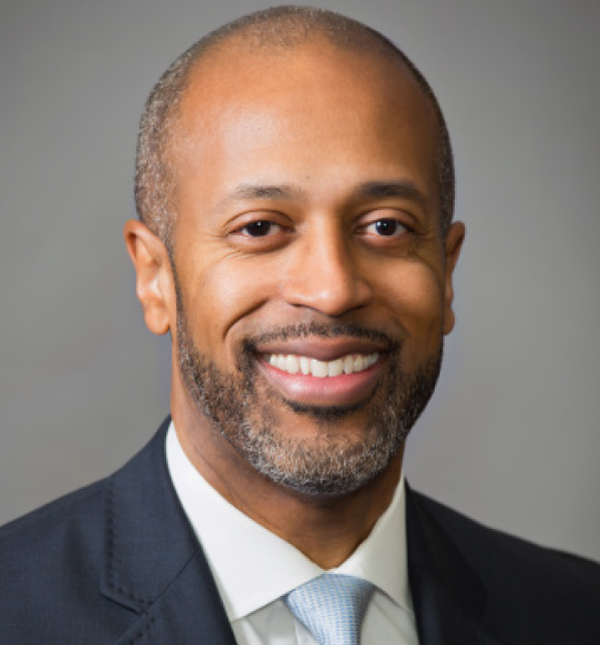
by Vernon M. Billy

he well-being of our society is intertwined with the success of our public schools and their ability to reach, educate and elevate the students in their care. That belief underlies the work we do at CSBA and was reinforced dramatically at our annual County Board Conference in Monterey this September.

The presentation, moderated by CSBA Director, Counties Mike Walsh, featured Darya Larizadeh, director of Youth Justice at the National Center for Youth Law, and Charlie Nguyen, a student at UC Berkeley who took a most unusual and inspiring path to that vaunted institution.
In a world that is quick to discard and even quicker to judge, Charlie has an important message to deliver, one that is as clear as the message tattooed on his left wrist that reads: “No one is unworthy of redemption.” That understanding was hard won for Charlie, who was imprisoned for eight years after committing what he described as a “violent, gang-related crime.” Now 25 years old, Charlie, is a pre-law and sociology major at Cal in the process of applying to law schools and using his experience to make the case for empathy and support for students who have been underserved or are taking a wayward route along their journey to adulthood. As Charlie phrases it, “See me for more than my mistakes.”
Seeing students for more than their mistakes is part of the charge for all educators, but that is especially true for our county offices of education and the county boards and superintendents that support some of the state’s most vulnerable students, or as they are now termed, “at-promise” students. Charlie’s journey illustrates the potential inside our state’s 5.8 million students, a flame that is too often extinguished through a lack of understanding and targeted support. Yet, as we saw throughout the County Board Conference, our COEs are, despite barriers and insufficient resources, focused on helping children and young adults overcome significant challenges. The students who are disproportionately represented in county offices of education — students with special needs, students on probation or parole, incarcerated students, homeless students and foster youth — are a lens into our society as a whole.

Today, Charlie is paying that support forward, telling his story and pursuing law school so he can contribute to the reform of the juvenile justice system into one characterized by rehabilitation, not retribution. As Charlie shared his experiences with the county trustees and superintendents at the conference, you could hear a pin drop. The audience was transfixed by both the lows of his past and his now ascendant trajectory, proof that people can change and that the system can make a difference when the right people are involved with the right approach.
I have no doubt that Charlie will continue to inspire awe as he moves through the world and that he will do much to make it a better place. And I have no doubt there are thousands upon thousands of Charlies out there who, unfortunately, didn’t benefit from the same support that helped guide his remarkable transformation. Our work is to find those students and focus not on their shortcomings but to recognize their potential and help them reach it — or as Charlie would say: see them for more than their mistakes.