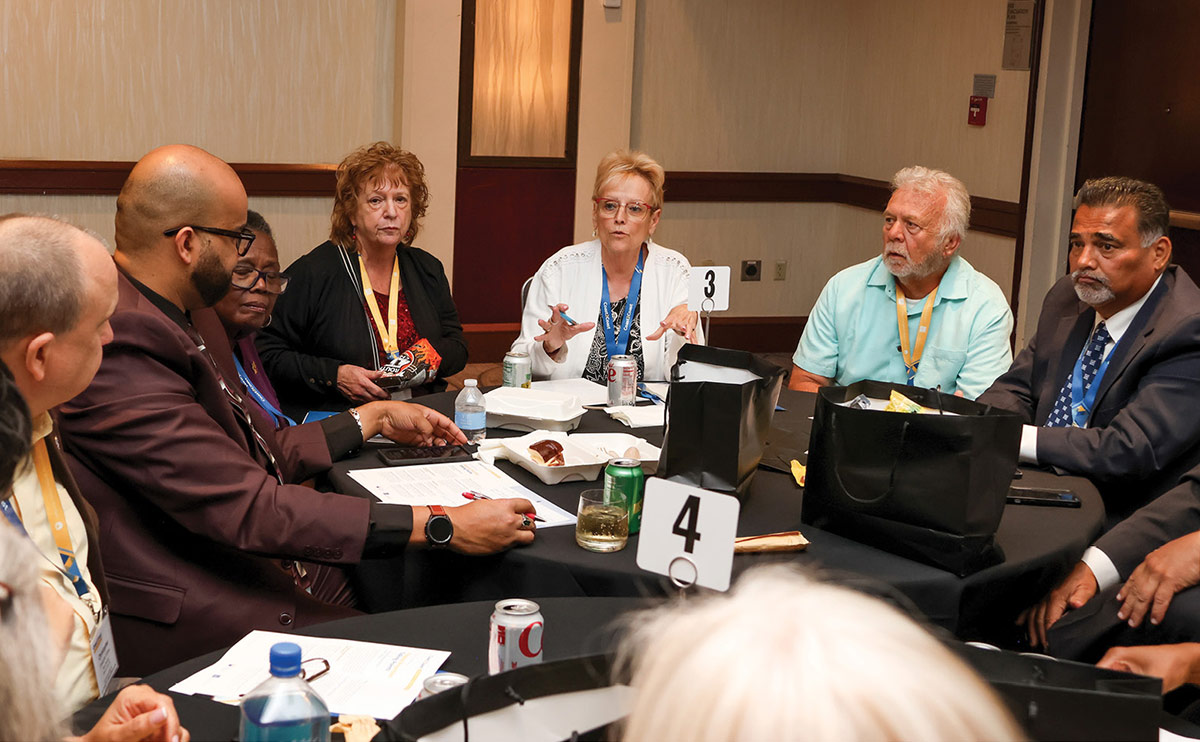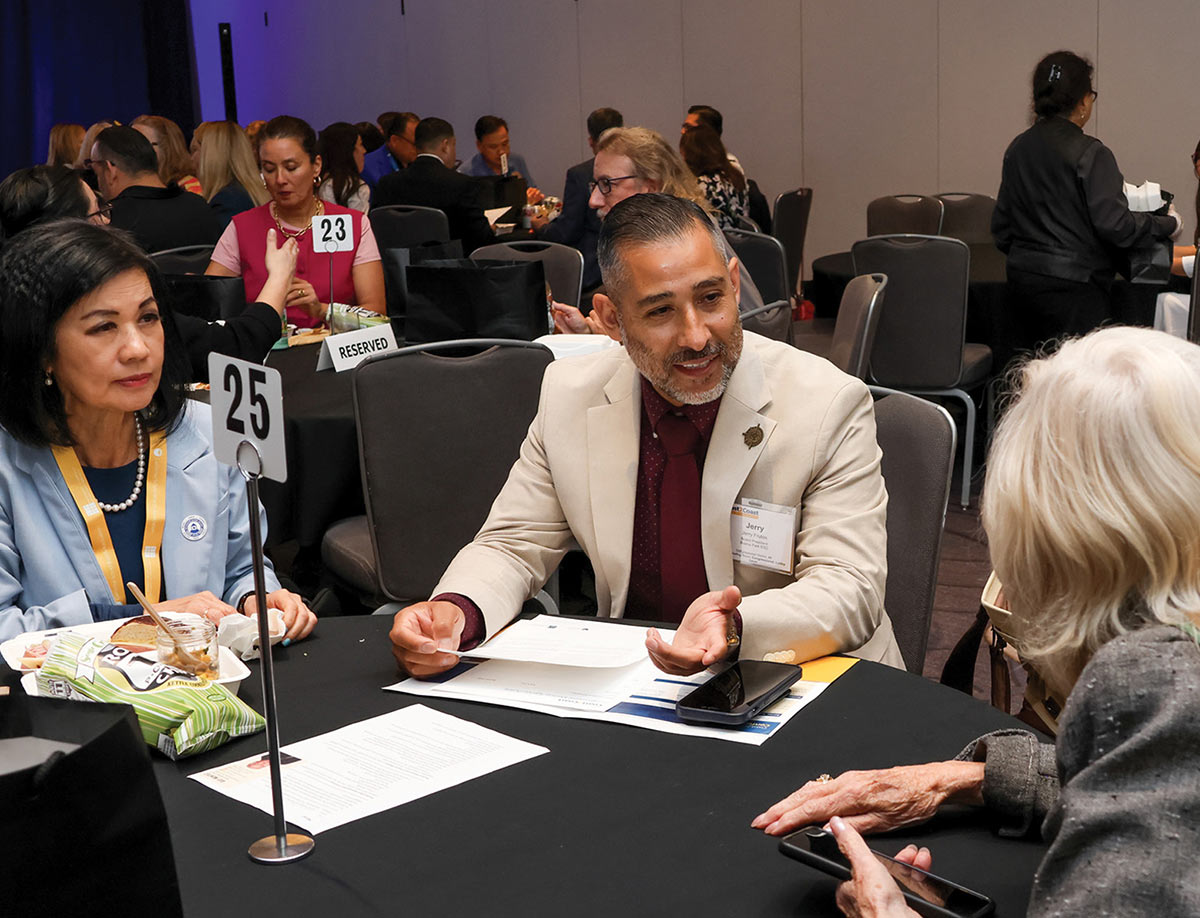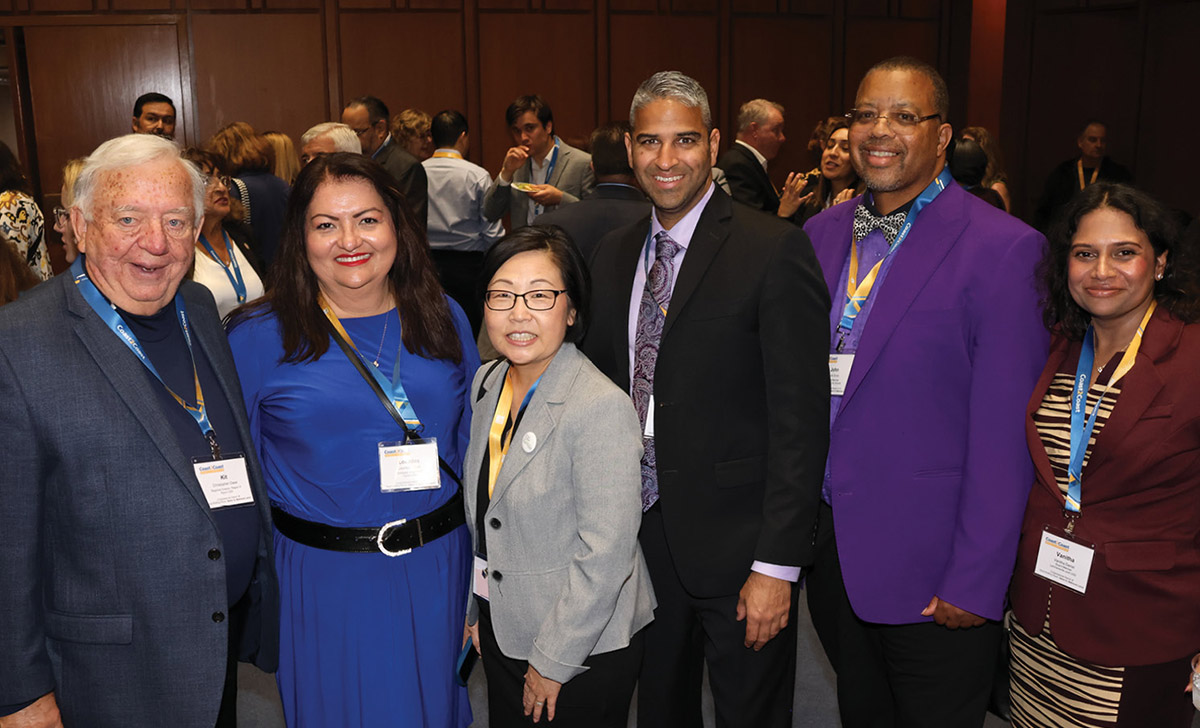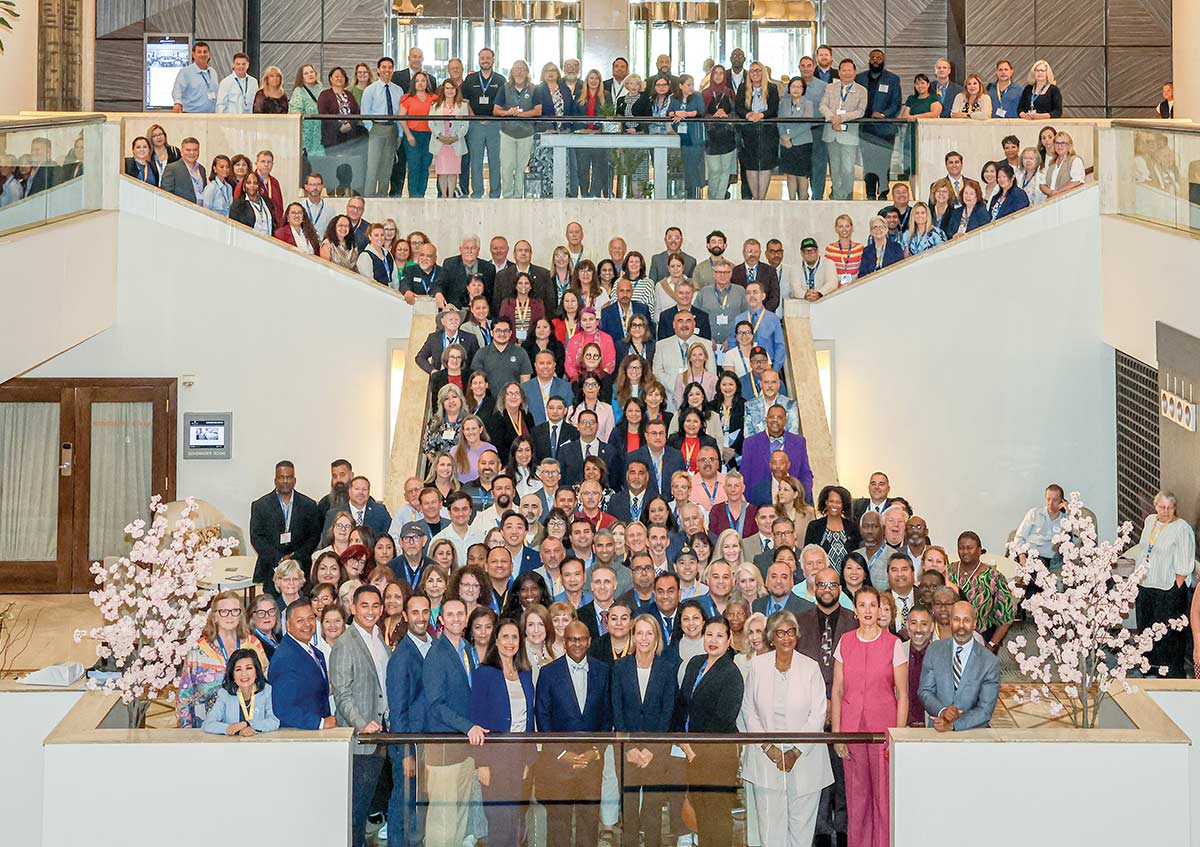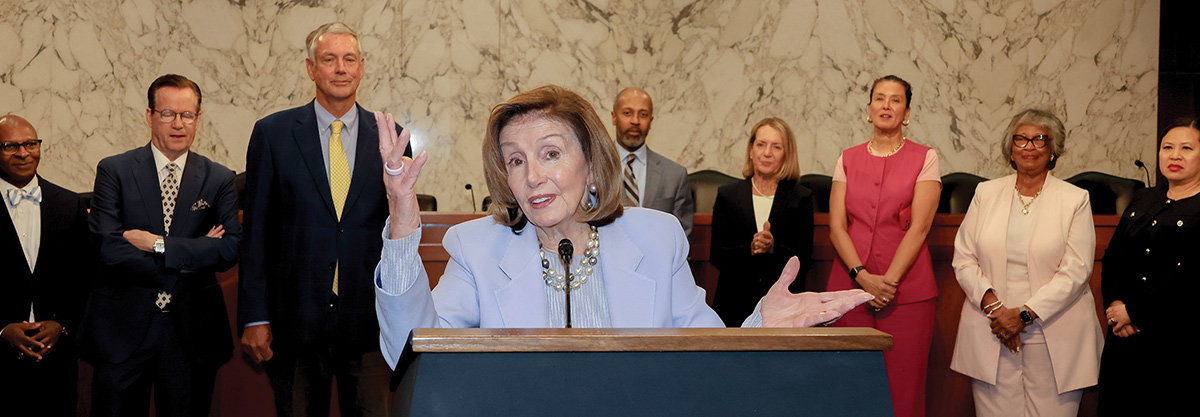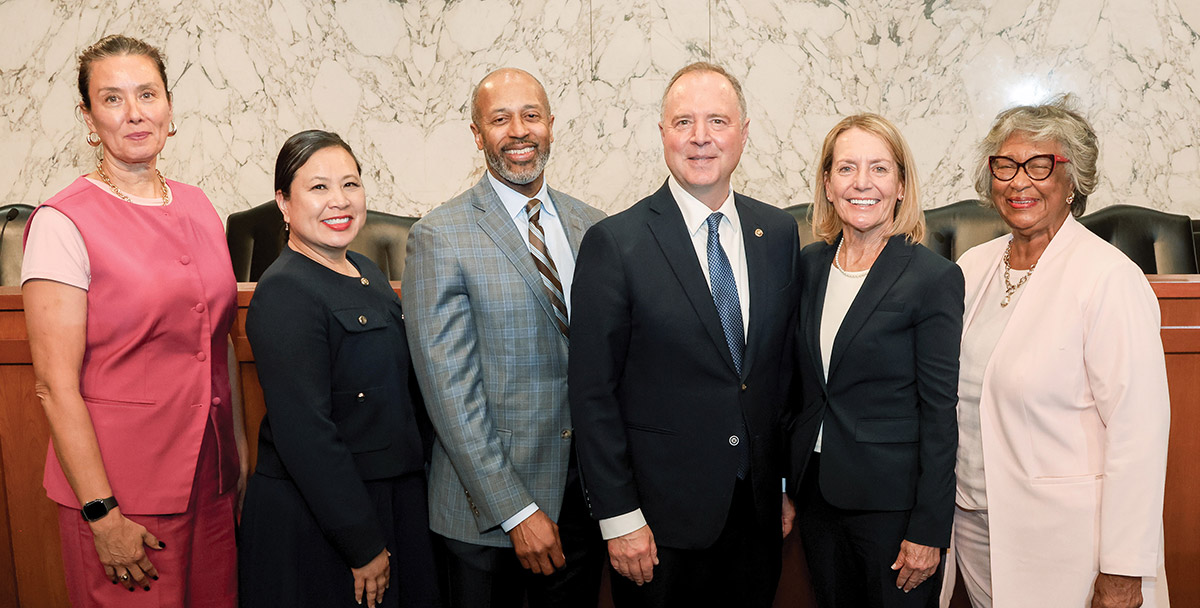

CSBA CEO & Executive Director Vernon M. Billy emphasized that the partnership between CSBA and ACSA at Coast2Coast amplifies the impact of every participant in a way that reverberates from the nation’s capital to their schools and communities back home in California.
“Your presence here strengthens our collective voice and provides us with an opportunity to weigh in on some of the most important education issues impacting our schools,” Billy said.
One of the clearest takeaways from this year’s Coast2Coast was that education remains a rare area where bipartisan progress is possible. While differences in approach persist, there is meaningful common ground around key priorities — supporting students, strengthening the educator workforce, expanding opportunity and ensuring safe, effective learning environments. By focusing on shared goals and grounding advocacy in both data and lived experience, California’s education leaders demonstrated how collaboration across perspectives can lead to stronger outcomes for students.
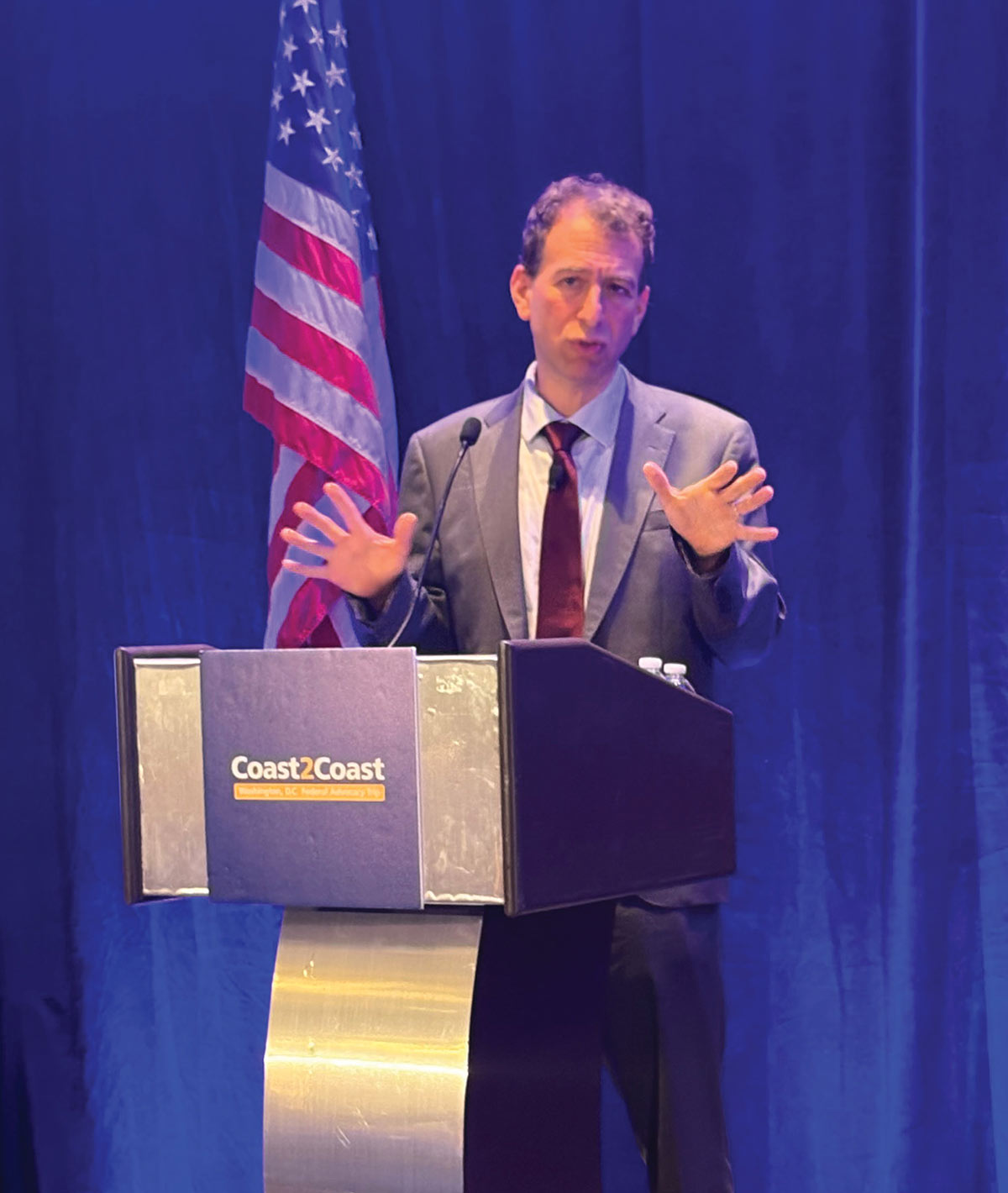
Experts, including Professor David Fontana of George Washington University Law School, offered insight into the growing concentration of power in the executive branch, a long-term trend across both political parties that influences how education policy is developed and implemented. Fontana noted that, contrary to the idea that the nation’s founders viewed all three branches of government equally, they actually saw the legislative branch as primary. He noted that the current Congress has largely abdicated its leadership rule, creating a power vacuum filled by the executive and judicial branches, a development with significant implications for public education and society at large.
Policy leaders and top federal education lobbyists Reg Leichty and Peter Oppenheim offered an analysis of Congressional action on education, from a Democratic and Republican standpoint, respectively. Both speakers emphasized the challenges of advancing major legislation through a largely impotent federal Legislature and the importance of identifying areas of agreement, such as reauthorizing the Secure Rural Schools Act, which was successfully advocated for at previous Coast2Coast events.
These conversations reflected the core purpose of Coast2Coast: ensuring that federal decision-makers understand the significant challenges and opportunities facing schools and the real solutions that can improve student outcomes.
- Only about one in four Americans are satisfied with the direction of the country, reflecting a broader environment of dissatisfaction and uncertainty
- Six in 10 voters are dissatisfied with the quality of K–12 education nationally
- At the same time, there is overwhelming bipartisan agreement on key education priorities, including funding public schools, supporting teachers and expanding CTE
The research also highlighted the real-life pressures facing families, with 70 percent of parents reporting they are living paycheck to paycheck, a reality that reinforces the critical role schools play in supporting student well-being and opportunity.