







Fall 2025
The California School Boards Association is the essential voice for public education. We inspire our members to be knowledgeable leaders, extraordinary governance practitioners and ardent advocates for all students.


Chronic absenteeism is overwhelming the state’s ability to close achievement gaps
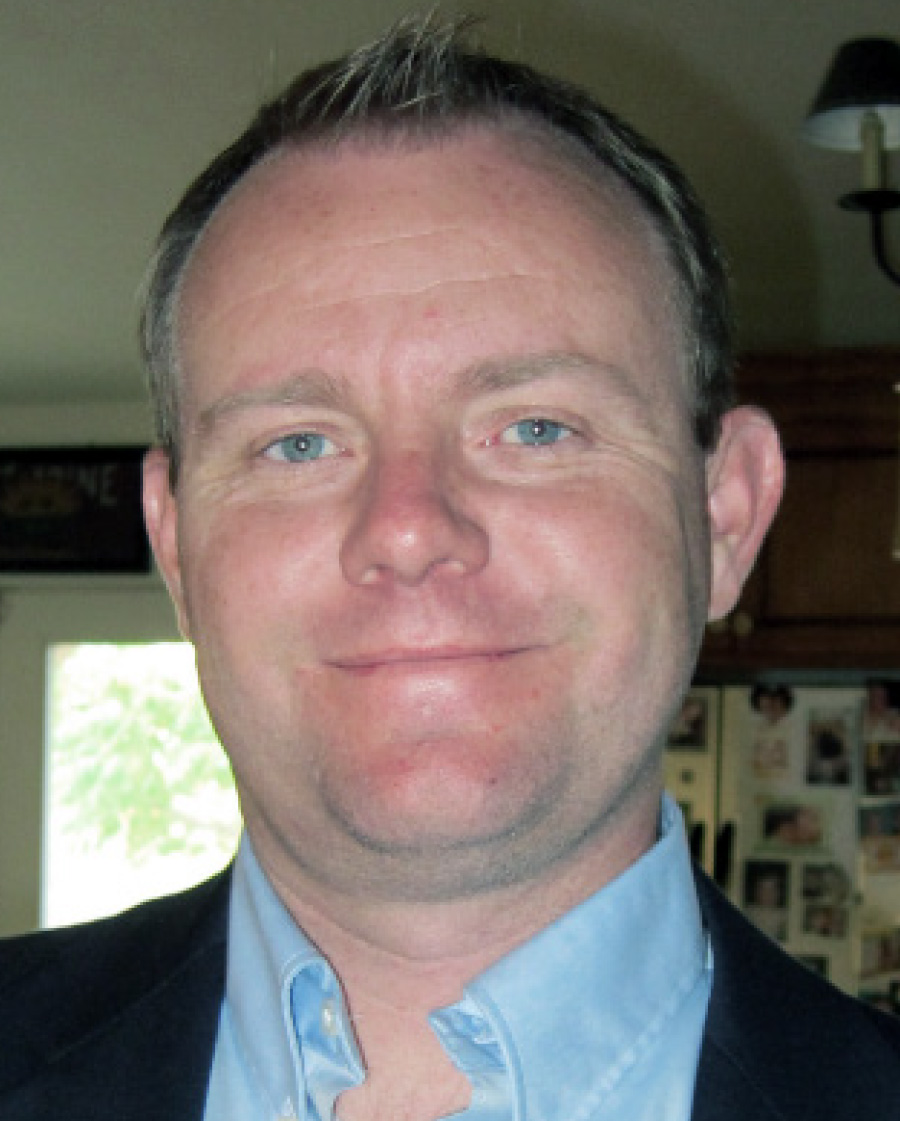
by Alisha Kirby

An overview of the department’s history, functions and current status
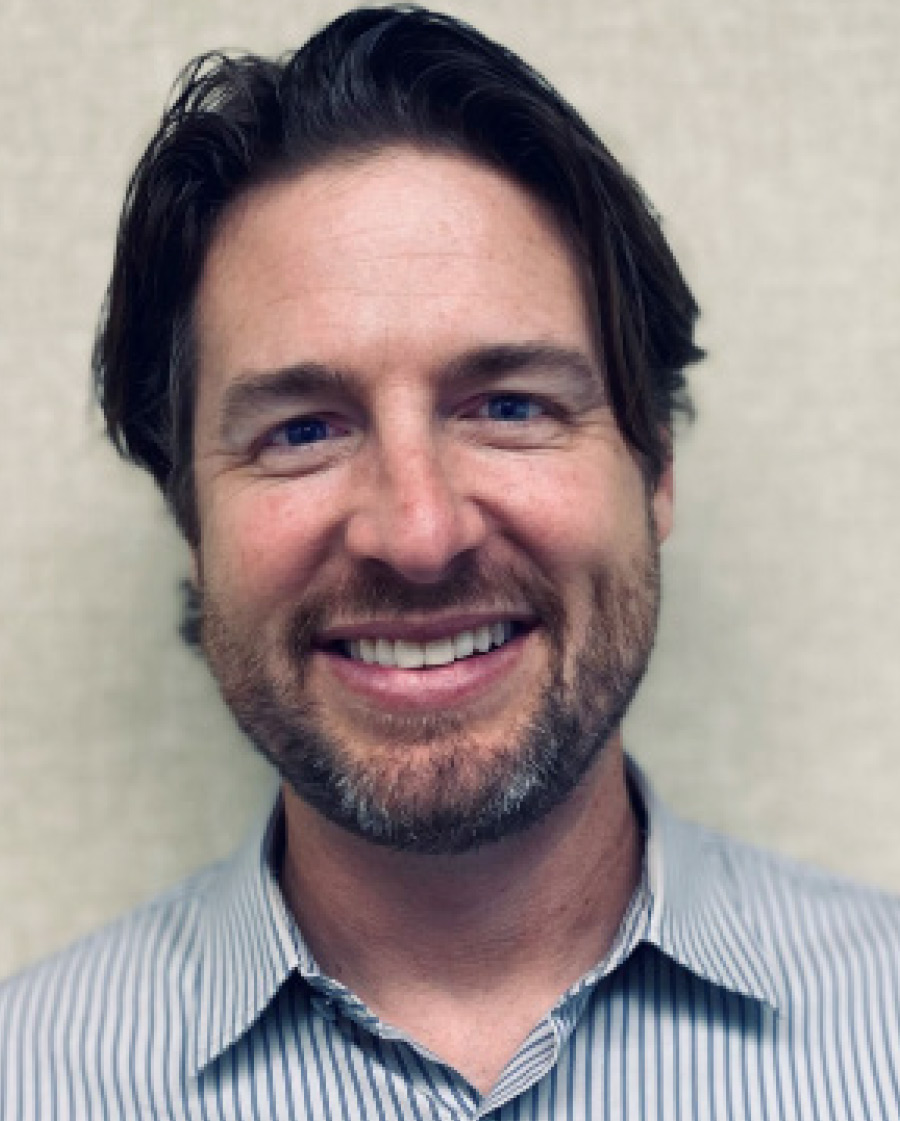
by Kimberly Sellery

Making the right choices for school communities in times of rapid change
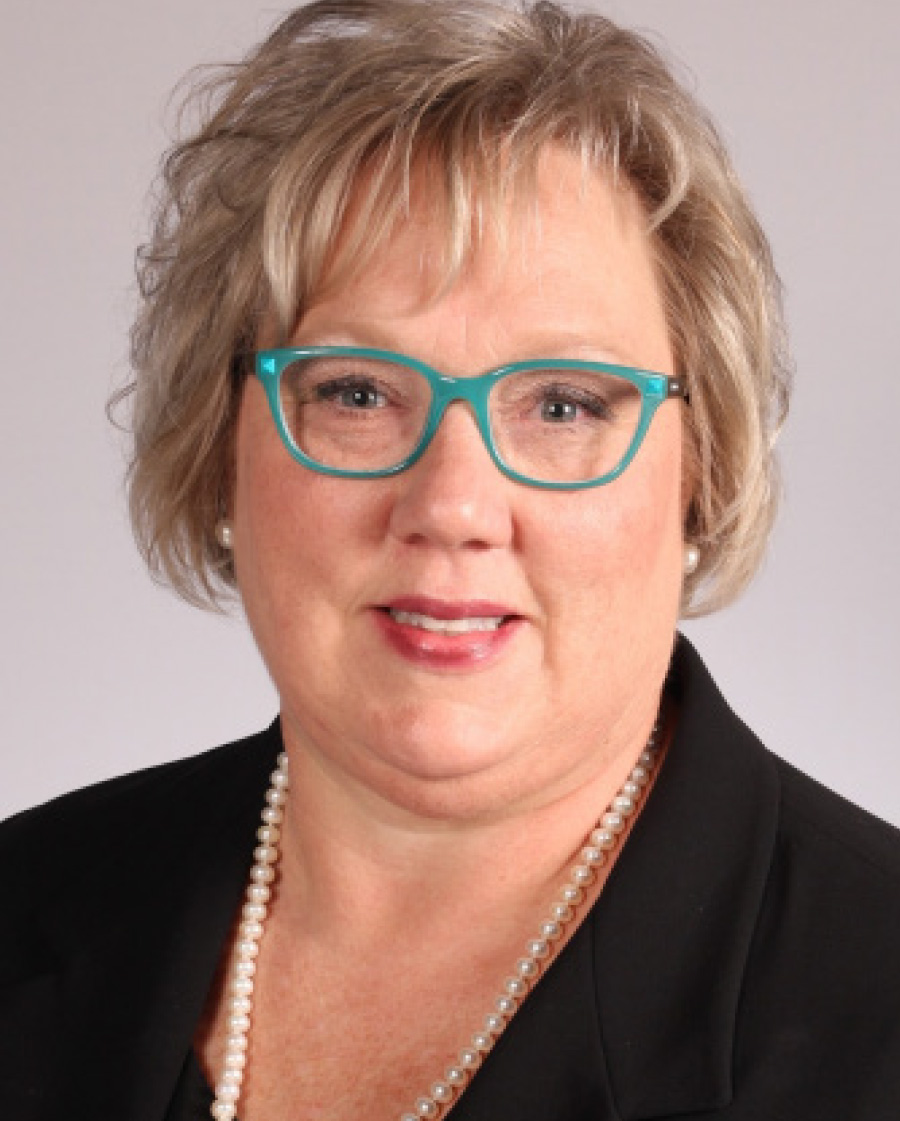
by Heather Kemp
Manny Barbara, president of the East Side Education Foundation Board of Directors

CEO’s note
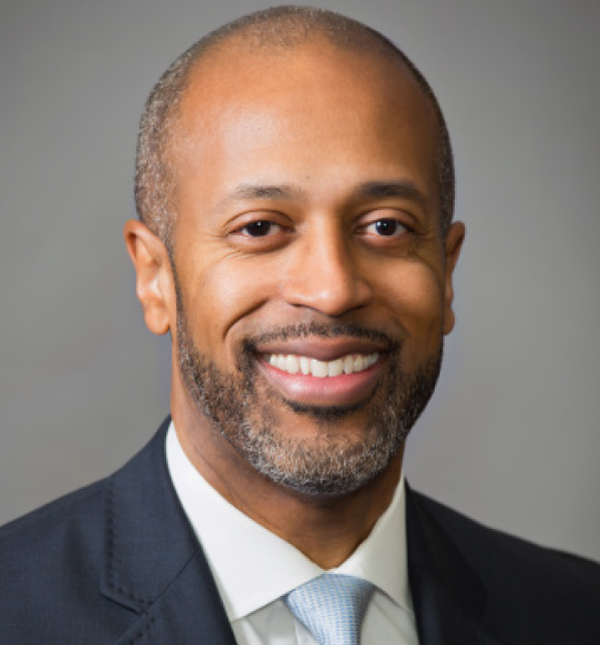
by Vernon M. Billy

he well-being of our society is intertwined with the success of our public schools and their ability to reach, educate and elevate the students in their care. That belief underlies the work we do at CSBA and was reinforced dramatically at our annual County Board Conference in Monterey this September.

The presentation, moderated by CSBA Director, Counties Mike Walsh, featured Darya Larizadeh, director of Youth Justice at the National Center for Youth Law, and Charlie Nguyen, a student at UC Berkeley who took a most unusual and inspiring path to that vaunted institution.

CSBA 2025 Board of Directors
-
Tyler NelsonRegion 1, Ukiah USD
-
Bruce RossRegion 2, Redding ESD
-
Robin JankiewiczRegion 3
-
Renee NashRegion 4, Eureka Union SD
-
Patricia MurrayRegion 5
-
Jackie WongRegion 6, Washington USD
-
Rachel HurdRegion 7, San Ramon Valley USD
-
Christopher “Kit” OaseRegion 8, Ripon USD
-
Roger SnyderRegion 9, Scotts Valley USD
-
Kathy SpateRegion 10, Caruthers USD
-
Daniel SandovalRegion 11
-
William FarrisRegion 12, Sierra Sands USD
-
Annette LewisRegion 14, Contra Costa COE
-
Susan HenryRegion 15, Huntington Beach Union HSD
-
Karen GrayRegion 16, Silver Valley USD
-
Eleanor EvansRegion 17, Oceanside USD
-
Bruce DennisRegion 18, Riverside COE
-
Devon ConleyRegion 20, Mountain View Whisman SD
-
Rocio RivasRegion 21
-
Nancy SmithRegion 22, Palmdale SD
-
Helen HallRegion 23, Walnut Valley USD
-
Jan BairdRegion 24, South Whittier ESD
-
Chris ClarkDirector-at-Large African American, Folsom-Cordova USD
-
Christina Cameron-OteroDirector-at-Large American Indian, Needles USD
-
Sylvia LeongDirector-at-Large Asian/Pacific Islander, Cupertino Union SD
-
Michael TeasdaleDirector-at-Large County, Ventura COE
-
Alma Carina CastroDirector-at-Large Hispanic, Lynwood USD
legal insights
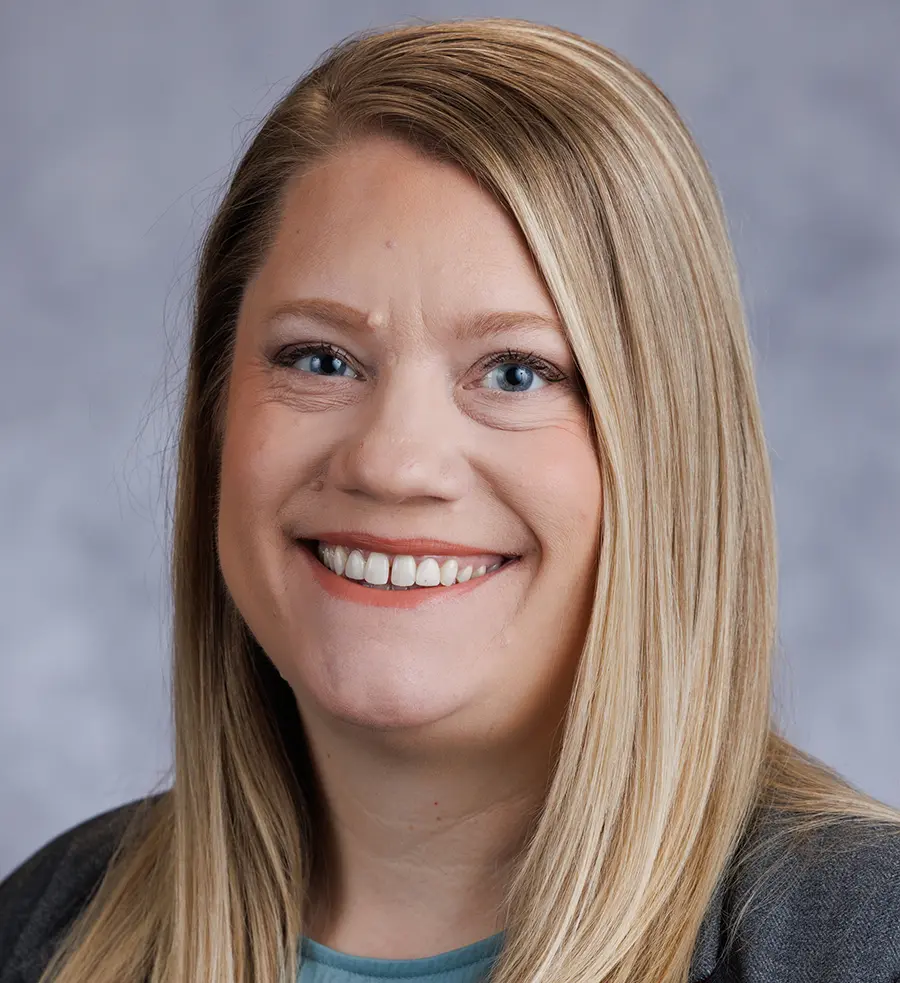
hile the legal landscape for public education can be ever-changing, the current landscape includes rapid and significant changes beyond the norm. It is difficult even for an experienced education attorney to keep up with, but what of school board members?

Boards set the long-term vision for their local educational agencies. According to CSBA’s publication “What it Takes to Lead,” the “vision reflects the consensus of the entire board, the superintendent and district staff, with input from the community, as to what students need in order to achieve their highest potential.” With stakeholders politically divided and the law constantly in flux, obtaining community input is easier said than done.
Chief Information Officer
Troy Flint, tflint@csba.org
Editorial Director
Kimberly Sellery, ksellery@csba.org
Senior Staff Writers
Heather Kemp, hkemp@csba.org
Alisha Kirby, akirby@csba.org
Director of Marketing and Communications
Monica Griffis, mgriffis@csba.org
Director of Graphic Design and Branding
Kerry Macklin, kmacklin@csba.org
Senior Graphic Designer
Amanda Moen, amoen@csba.org
Graphic Designer
Thairah Singharath, tsingharath@csba.org
CSBA officers
Dr. Bettye Lusk, Monterey Peninsula USD
President-elect
Dr. Debra Schade, Solana Beach SD
Vice President
Sabrena Rodriguez, Ventura USD
Immediate Past President
Albert Gonzalez, Santa Clara USD
CEO & Executive Director
Vernon M. Billy
Articles submitted to California Schools are edited for style, content and space prior to publication. Views expressed are those of the authors and do not necessarily represent CSBA policies or positions. Articles may not be reproduced without written permission of the publisher. Endorsement by CSBA of products and services advertised in California Schools is not implied or expressed.


from the field
Districts across California are facing increasingly tighter budgets — whether because of declining student enrollment or other unexpected cuts to funding streams — and must find ways to do more with their existing budgets while also ensuring much-needed academic progress for students.
Substitute teaching roles are a great place to start thinking about how to do more with existing expenditures. Virtually every district needs substitutes to cover various classes year-round, and they budget for them accordingly. Substitutes provide a necessary service to keep our schools functioning smoothly, whether it’s because of occasional teacher absences, off-campus professional development or meetings that occur during the regular school day, like for students’ individualized education programs (IEPs). But the funds that districts allocate for substitutes each year are rarely maximized to support student learning experiences or to enhance teacher development — though an increasing number of districts are exploring ways to do just that.


research spotlight
When CSBA created its stand-alone Research and Education Policy Development (REPD) Department, the team was organized around CSBA’s four policy pillars: Strengthen local governance, secure fair funding, improve conditions of children and ensure achievement for all. With CSBA’s Policy Platform serving as the foundation for the association’s work on behalf of California’s school board members, REPD strives to develop resources aligned with those principles, and staff assignments build on their expertise and connections to industry professionals in those four areas.
In recent months, the REPD has produced several new resources for governance team members. In the flurry of summer activities and launch of a new school year — to say nothing of the sheer volume of emails so prevalent in modern life — it is possible CSBA members missed some new releases. Below are several resources that REPD staff have produced since the summer magazine. Organized by pillar, these items offer a glimpse into the work the team does to provide content tailored to CSBA’s members. Central to each publication and webinar are three core questions:
- How does the topic intersect with the specific role of school board members?

My husband and I moved to semi-rural Bonsall in 2009 to put down roots for our own children; subsequent leadership within the PTA and the Bonsall Education Foundation highlighted the power of collaboration. I served on the Unification Committee that passed Measure BB in 2012, transitioning Bonsall Unified School District (BUSD) from a K–8 union to a TK–12 unified district, and four years later I helped lead the Measure DD ground campaign, which fell just short of the required 55 percent. Obstructionist politics ignited the justice crusader in me, and in 2018, I defeated a 20+ year incumbent by running on a platform of long-term shared vision. I feel called to support our excellent educators and lead with a student-centered heart.
BUSD provides well-rounded learning opportunities for all kinds of learners, embracing arts, athletics and agriculture in addition to academics, with exceptional teachers and staff at all levels. We believe learning happens in the garden and in the studio, on the stage and on the field, in the lab and in our classrooms, as well as on our partner Palomar College’s campus. Recognizing a gap in female and underrepresented students pursuing higher education and careers in the STEM fields, BUSD created the Bonsall Forward Initiative to guide districtwide planning and innovation. BUSD has placed a high priority on our multilingual population, providing robust English language development intervention and community outreach for families. Another way we address educational gaps is by fostering a sense of belonging in our students through the Bonsall High School Academies and Early College pathways, which provide career-focused learning and college credit/certification.
This interview has been edited for length. Read the full interview at csba.pub/48cevKi.
Facilities and funding remain the district’s most pressing challenges. Given the extensive new housing developments in the Bonsall area, we are in an ever-escalating need to expand and update our facilities. Unfortunately, BUSD has faced three consecutive failed bond attempts, highlighting the difficulty of uniting the broader community around long-term structural investments. Modern, safe and well-equipped facilities are critical to supporting programs, staff and student learning. Addressing these challenges requires collaboration across leadership, labor partners and the community to continually reimagine a system that inspires and empowers every student.
I enjoy hiking, photography and collecting heart-shaped rocks in Bonsall and beyond. I am also an avid reader and puzzler and am currently training a service dog. Supporting community arts is a passion; as chair of the Bonsall Woman’s Club-sponsored art show, Stages of Inspiration, I help students and community members showcase talent and foster pride. As an advocate for public parks, libraries and art, I enjoy collaborating with agencies to strengthen these resources.
Would you like to participate in an upcoming Member Profile? Contact editor@csba.org.
My husband and I moved to semi-rural Bonsall in 2009 to put down roots for our own children; subsequent leadership within the PTA and the Bonsall Education Foundation highlighted the power of collaboration. I served on the Unification Committee that passed Measure BB in 2012, transitioning Bonsall Unified School District (BUSD) from a K–8 union to a TK–12 unified district, and four years later I helped lead the Measure DD ground campaign, which fell just short of the required 55 percent. Obstructionist politics ignited the justice crusader in me, and in 2018, I defeated a 20+ year incumbent by running on a platform of long-term shared vision. I feel called to support our excellent educators and lead with a student-centered heart.
BUSD provides well-rounded learning opportunities for all kinds of learners, embracing arts, athletics and agriculture in addition to academics, with exceptional teachers and staff at all levels. We believe learning happens in the garden and in the studio, on the stage and on the field, in the lab and in our classrooms, as well as on our partner Palomar College’s campus. Recognizing a gap in female and underrepresented students pursuing higher education and careers in the STEM fields, BUSD created the Bonsall Forward Initiative to guide districtwide planning and innovation. BUSD has placed a high priority on our multilingual population, providing robust English language development intervention and community outreach for families. Another way we address educational gaps is by fostering a sense of belonging in our students through the Bonsall High School Academies and Early College pathways, which provide career-focused learning and college credit/certification.
Facilities and funding remain the district’s most pressing challenges. Given the extensive new housing developments in the Bonsall area, we are in an ever-escalating need to expand and update our facilities. Unfortunately, BUSD has faced three consecutive failed bond attempts, highlighting the difficulty of uniting the broader community around long-term structural investments. Modern, safe and well-equipped facilities are critical to supporting programs, staff and student learning. Addressing these challenges requires collaboration across leadership, labor partners and the community to continually reimagine a system that inspires and empowers every student.
I enjoy hiking, photography and collecting heart-shaped rocks in Bonsall and beyond. I am also an avid reader and puzzler and am currently training a service dog. Supporting community arts is a passion; as chair of the Bonsall Woman’s Club-sponsored art show, Stages of Inspiration, I help students and community members showcase talent and foster pride. As an advocate for public parks, libraries and art, I enjoy collaborating with agencies to strengthen these resources.
This interview has been edited for length. Read the full interview at csba.pub/48cevKi.
Would you like to participate in an upcoming Member Profile? Contact editor@csba.org.

class act
Best practices in action
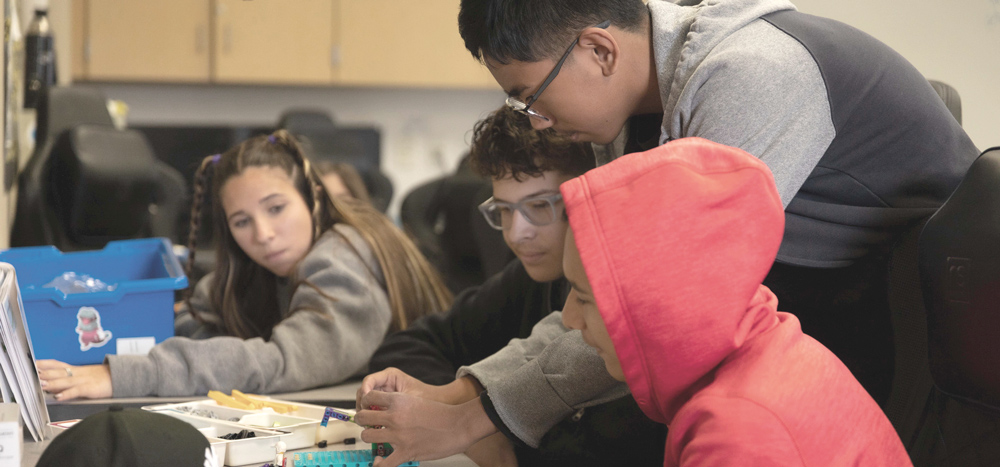

With the support of the FUSD Board of Education, the Summer Bridge Program connected its goals to reflect those in the district’s Local Control and Accountability Plan, aligning resources and helping improve student outcomes. Using a variety of assessment data from students’ records and input from teachers on needed prerequisite skills, the program uses technological activities embedded with English and math standards as an intervention to prepare students academically for success in high school. Students spend the month of June completing a cross-curricular technology and business project, leading to a culminating group competition. Students engage with technology and the engineering design process through 3D printing, coding, web design and rockets, along with other core subjects like English. These projects not only reinforce core academic skills, but also cultivate real-world competencies that can be used in the future.


BoardWise
Boardwise is a forum for board members and superintendents across the state to share questions about governance and board–superintendent relations. Send your questions to boardwise@csba.org. Have governance team questions that require personal attention? Reach out to gcs@csba.org for a customized Governance Consulting Workshop.
What advice would you give all board members about communication?
Highly effective governance teams share a common understanding of their governing commitments, processes, goals and strategies. That common understanding can only be achieved through effective communication, and the often-undervalued skill of listening.
Listening is essential for trustees to fulfill the representative role that comes with elected office. Community input is critical and to truly understand community perspectives, and board members must engage in authentic listening. Trustees also play an instrumental role in ensuring that their actions and those of the district are compliant with the law, which requires consulting with legal counsel. And a board’s fiduciary role denotes an obligation to act in the local educational agency’s best financial interests by listening carefully to the professional staff regarding the relationship between funding, operational costs and strategic priorities and goals.

csba at issue
s board members and superintendents, most of us have participated in crafting district mission statements, but we’ve spent less time thinking about what I call our “mission critical” work. That phrase was introduced to me years ago by a colleague in the private sector. When I asked him what it meant, he responded, “It’s the work that, if I don’t do it well, I don’t work here anymore.”
Over time, I came to realize that everyone in a school system has mission-critical responsibilities — tasks that are essential to achieving the district’s goals. And if we don’t do that work well, we’re not serving our students, our communities or the democratic values public education was designed to uphold. Doing this work well requires not just commitment, but clarity — about what we’re doing, why it matters and how to do it with excellence.
To understand our mission-critical work as trustees and superintendents, we need to step back and recognize the bigger picture: We are part of one of the most important institutions ever designed to make democracy work — public education.
through targeted
assistance

through targeted
assistance
ome of the state’s most vulnerable student groups — foster youth, students experiencing homelessness, socioeconomically disadvantaged students, English learners and students with disabilities — continue to experience large achievement gaps with peers in English language arts and math. Results of the 2024–25 California Assessment of Student Performance and Progress released Oct. 9 show modest gains and a slight narrowing of some achievement gaps.




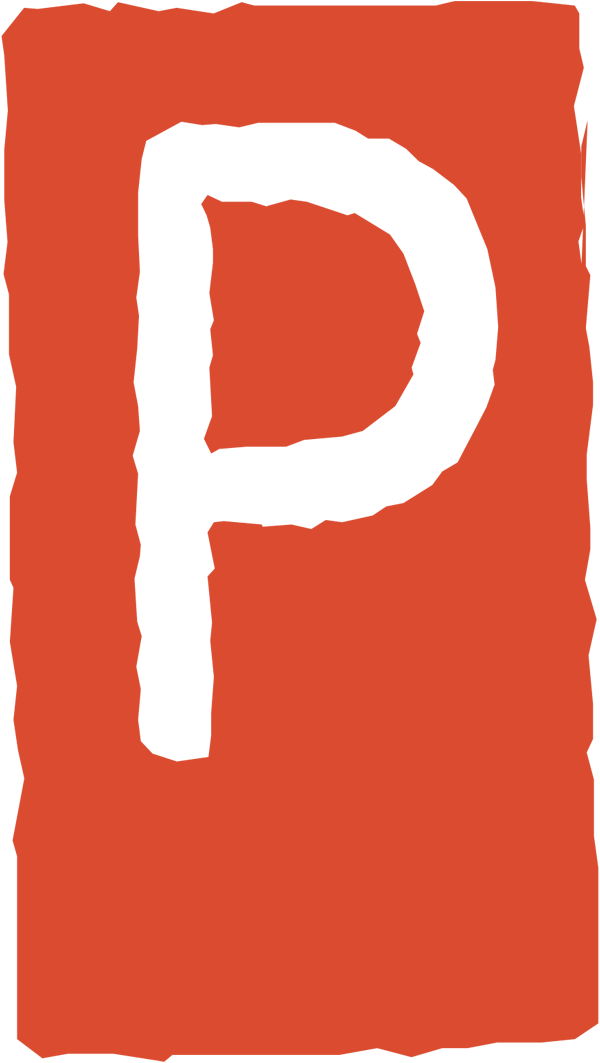
resident Donald Trump has revived a longstanding Republican Party call to abolish the U.S. Department of Education. While the Cabinet-level department needs an act of Congress to be eliminated, the Trump administration is using its hiring and firing power to enact reductions in force that have gutted about half of the department’s employees, and executive orders to provide new guidance.
The fiscal year 2026 budget looms as well, with the Trump administration proposing a 15 percent funding cut to the Education Department and major changes to key K-12 and higher education programs as of this writing.



Most local educational agencies juggle hundreds of policies, ideally striving to ensure they align with and support their school system’s mission and vision while being as effective as possible and meeting community needs.
“Policies are important because it is one place where the board can speak with one voice,” said CSBA Senior Director of Policy and Governance Technology Services Tezeta Stewartz. “People come and go, staff come and go, students will come and go, but your policies should be perennial, and they need to be regularly reviewed and maintained. Think about it like the foundation of your house — they’re the thing that everything else is built on.”
Most local educational agencies juggle hundreds of policies, ideally striving to ensure they align with and support their school system’s mission and vision while being as effective as possible and meeting community needs.
“Policies are important because it is one place where the board can speak with one voice,” said CSBA Senior Director of Policy and Governance Technology Services Tezeta Stewartz. “People come and go, staff come and go, students will come and go, but your policies should be perennial, and they need to be regularly reviewed and maintained. Think about it like the foundation of your house — they’re the thing that everything else is built on.”
Advertorial
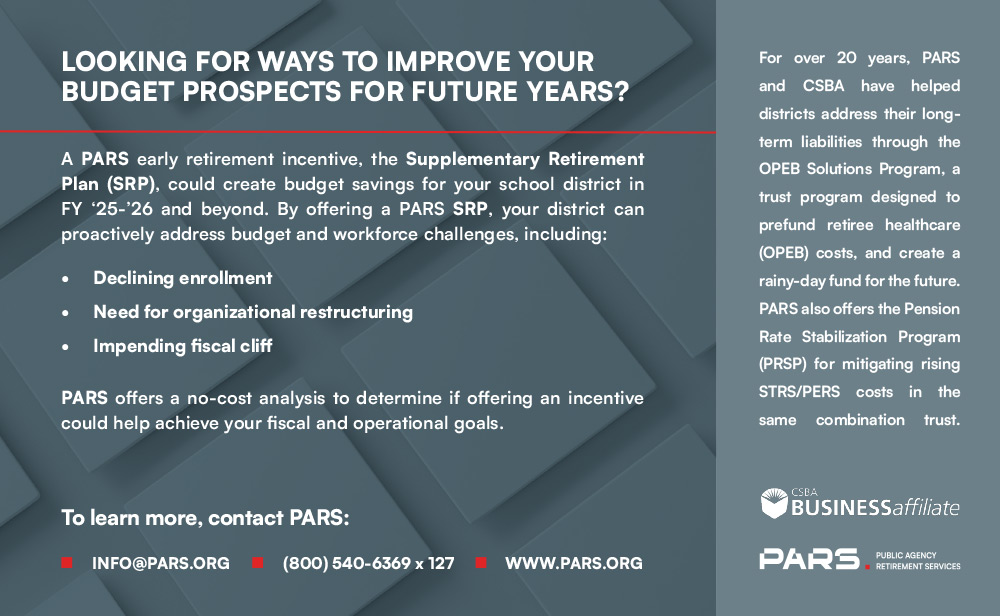
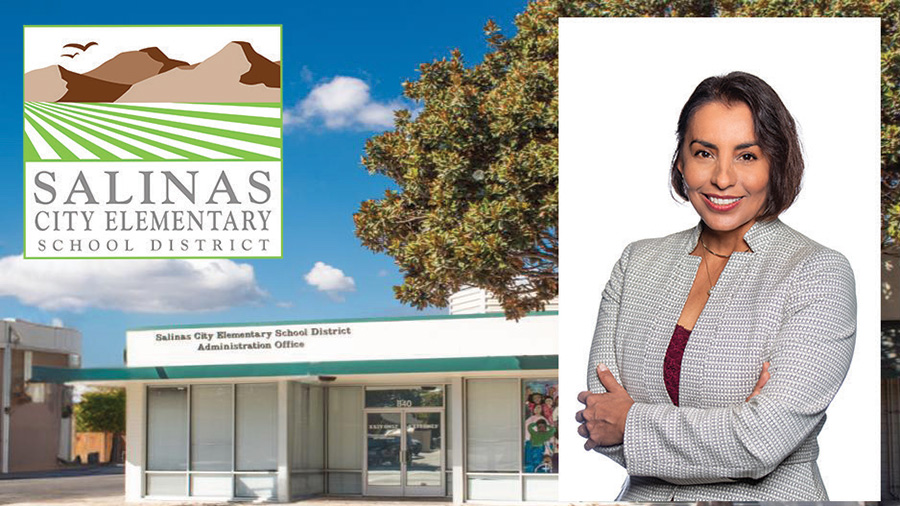
aced with declining enrollment, rising costs, and a desire to honor long-tenured staff, Salinas City Elementary School District (SCESD), chose to act strategically by implementing a Supplementary Retire-ment Plan (SRP) through Public Agency Retirement Services (PARS). The plan was designed to carefully balance fiscal pressure with employee morale and to open space for new staff in critical roles.
a conversation with…

a conversation with…

What are some of the most prominent factors that lead local educational agencies to consider school closures?

Take the next step with
CSBA’s Masters in Governance Program
You don’t have to face these challenges alone — MIG will help prepare you to effectively serve your local educational agency and community.

Bundle all five MIG courses at once to receive a 15% discount.

Get more information at
csba.org/mig

ad index
- Atikinson, Andelson, Loya, Ruud & Romo35
- Blach Construction26
- Buyboard18
- Certificates of Participation4
- Critical Response Group34
- CSBA Coast2CoastIBC
- CSBA GAMUT45
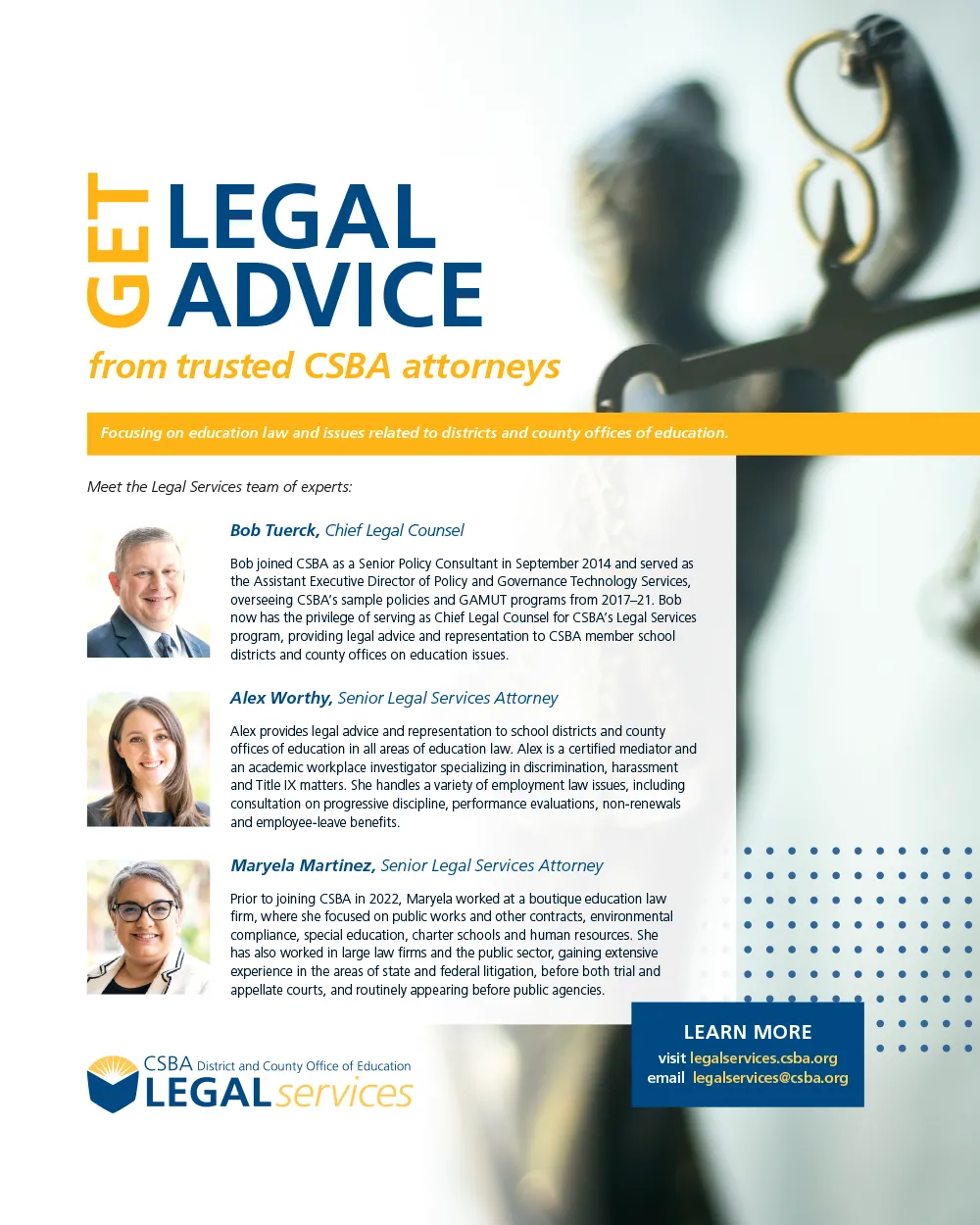
- CSBA Legal ServicesIC
- CSBA Masters in Governance49
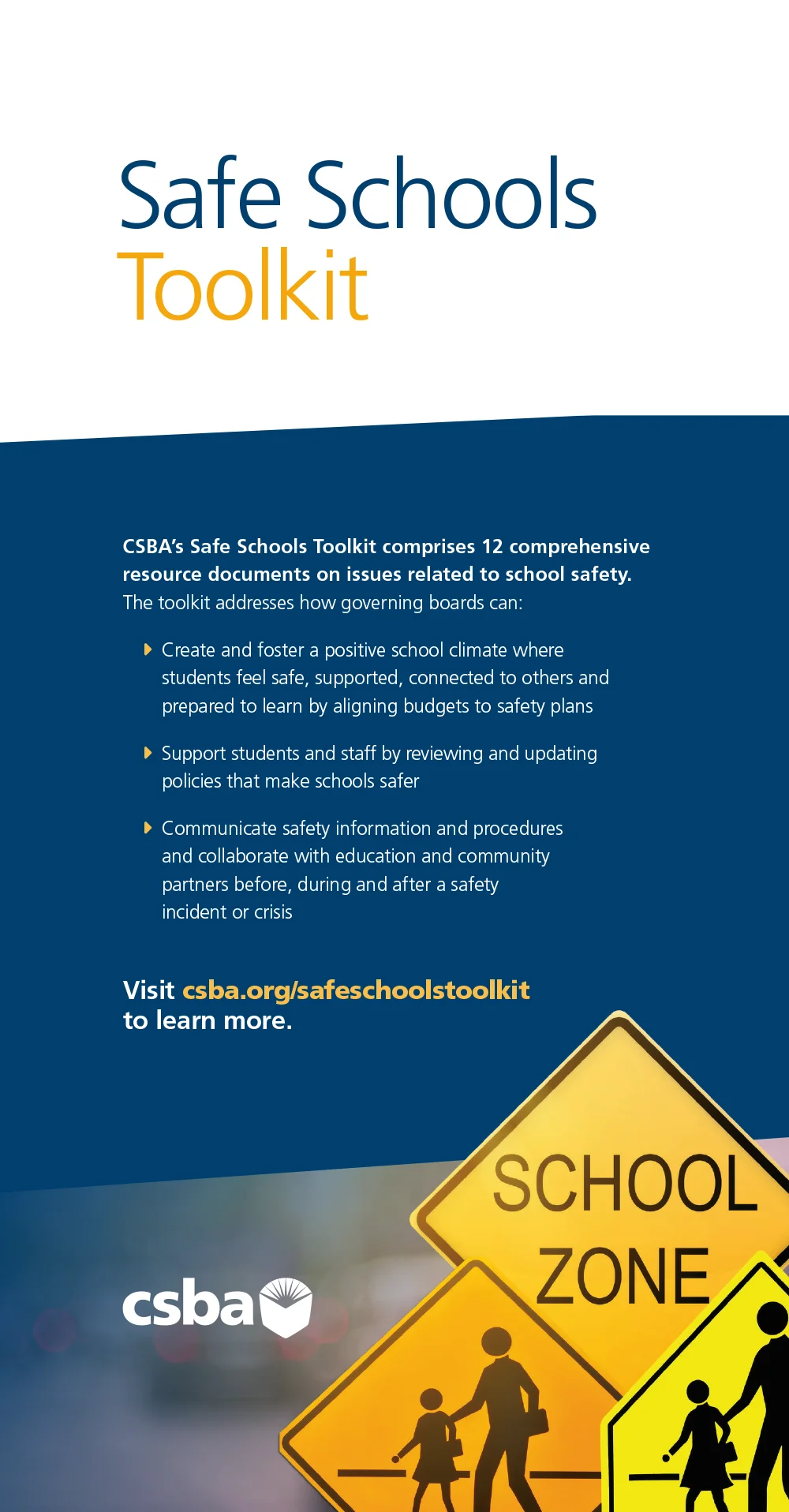
- CSBA Safe Schools Toolkit52
- Dannis Woliver Kelley2
- Fagen Friedman & Fulfrost, LLP16
- Isom Advisors36
- Jones Hall44
- Keenan21
- Leadership Associates50
- Lozano SmithBC
- Mobility Blueprint10
- National Electrical Contractors Association38
- Nor Cal Carpenters Union29
- OPEB37
- Orbach Huff + Henderson LLP14
- PARS12
- Piper Sandler27
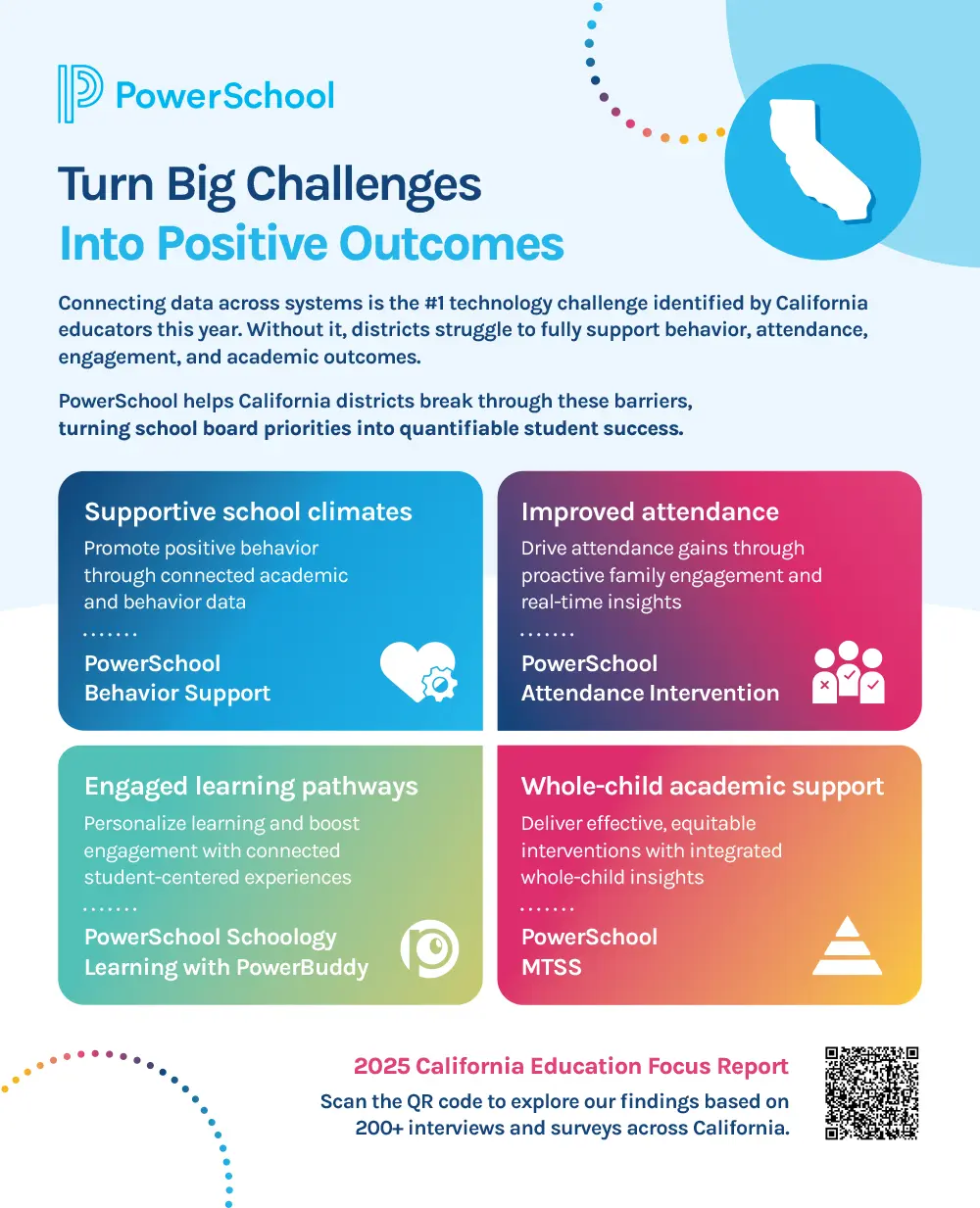
- PowerSchool51
- Property Planning Solutions39
- SchoolsFirst Credit Union28
- SELF20
- Western States Regional Council of Carpenters1
- Blach Construction26




Thanks for reading our Fall 2025 issue!