


CSBA Education Legal Alliance 2026 Annual Report
Dear ELA Members,
Thank you for supporting public education at this most critical time for California schools. While this past year has been less busy for the Education Legal Alliance (ELA) in terms of the number of cases, the significance of the ELA to our district and county board of education members has never been more apparent. The continued support of school districts and county offices of education (COEs) allows the ELA to pursue and defend a broad spectrum of statewide public education interests.

CSBA’s ELA is, and has always been, at the vanguard of defending the interests of California’s school districts and COEs before state and federal courts, state agencies and the Legislature, particularly on matters related to Proposition 98. This critical ELA function would have been impossible without your support, and we thank you.

Throughout the past, the ELA continued to provide a unique but essential statewide perspective in a variety of legal cases impacting school districts and COEs. The ELA engaged the courts to protect our members from liability in at both the state and federal levels. In Victor Valley UHSD v. Superior Court, the ELA sought to clarify the scope of immunity from employee negligence under Education Code 44808, and in Kluwe v. Huntington Beach Union HSD, the ELA argued for the continued application of 11th Amendment sovereign immunity protection for LEAs in federal courts. The ELA also fought for our members on charter school matters like Vista Charter Schools v. California State Board of Education, where the court held that a single determination under one of the enumerated categories in Education Code 47605(c) is sufficient for a district to deny a charter petition, and on reasonable responses to Public Records Act requests in publishing cases like Voice of San Diego v. San Diego USD. In that case, the court held that the reasonableness of an LEA’s production of public records depends on a number of factors, including the nature and location of the records sought, the volume of data to be searched, the level of review required for any exemptions and redactions, and the complexity of the request. Perhaps most importantly, this past year the continued our enduring efforts to protect Proposition 98 funding for California public schools through two separate lawsuits.

The first lawsuit, CSBA v. State of California and Director of Finance Stephenshaw challenges the constitutionality of Education Code 41206.04, which was added by the 2024 education budget trailer bill, Senate Bill 153. Education Code 41206.04 leaves the fiscal year open for purposes of determining the Proposition 98 Guarantee if there is a delay in personal and corporate tax revenue collection and certain conditions are met. Extending the fiscal year could allow the director of finance to recalculate the guarantee in the subsequent tax year, resulting in an artificial reduction of the guarantee for future years. The ELA brought this suit in 2024, seeking to ensure that the state and Department of Finance follow the constitutional provisions of Proposition 98 and avoid chipping away at its provisions.

The second, more recent Proposition 98 case was filed in September 2026. This case is aimed at stopping the state from withholding billions of Proposition 98 dollars that the State Constitution requires to be first set aside for public education. For the second year in a row the state budget allocated less funding for public schools than the minimum amount required by the Proposition 98 Guarantee. The 2025 budget initially allocated approximately $1.9 billion less than the amount required by Proposition 98. Although the state later “repaid” the withheld funds, it immediately doubled down by withholding $3.9 billion in 2026. There is no debate regarding how much was owed under the guarantee, the state chose to withhold the money from public schools to mitigate the risk of a potentially difficult budget year. Allowing the state to calculate a guarantee and then ignore it defeats the very purpose of Proposition 98. The language of Proposition 98 is clear: “From all state revenues there shall first be set apart the moneys to be applied by the State for support of the public school system.” This is not intended to be a paper promise. CSBA and the ELA filed the 2026 lawsuit to make sure this trend does not continue and to compel the state to comply with Article XVI, Section 8 of the California Constitution and ensure that guaranteed funds are first set apart for support of the public school system.

With your support the ELA is in a unique position to champion issues with statewide impact and advance and defend the interests of public education.

If you have any questions about the ELA or its benefits, please contact ELA staff at (800) 266-3382 or legal@csba.org.

Robert Tuerk signature
Robert Tuerk, General Counsel
California School Boards Association
Members with whom
the ELA worked directly In 2026*
Color-coded map of California grouping its 58 counties into nine labeled regions, from Northern California and the Bay Area to the San Joaquin Valley and Southern California.
CSBA member districts and COEs in every county seen here are represented by the ELA in two lawsuits seeking to protect education funding and Proposition 98.
* The ELA is involved in three additional cases filed for the benefit of all California school districts and county offices of education, which are not featured on this map.

What is the
Education Legal Alliance?

CSBA’s Education Legal Alliance (ELA) is a consortium of school districts, county offices of education and regional occupational centers/programs that voluntarily joined together in 1992 to create a powerful force to pursue and defend a broad spectrum of statewide public education interests before state and federal courts, state agencies and the Legislature. The ELA initiates and supports legal activities in issues of statewide significance to all California schools. Working with school attorneys, the efforts of the ELA have proven highly effective in protecting the interests of schools and the students they serve. Potential matters are reviewed and approved by a broad-based steering committee of board members, superintendents and education leaders. Additionally, an attorney advisory committee of noted school law attorneys help provide legal analysis and recommendations to the steering committee.

The ELA is funded exclusively by contributions from its members, who are also members of CSBA.

What are the benefits of membership in the Education Legal Alliance?

  • The ELA files amicus briefs and letters with state and federal courts to support school districts and county offices of education in their litigation.
  • ELA initiates litigation on issues of statewide importance.
  • ELA provides funding to ELA members to finance litigation of statewide importance in state or federal courts.

Steering
Committee

headshot of Debra Schade
Dr. Debra Schade, Chair
CSBA President
Solana Beach ESD
headshot of Sabrena Rodriguez
Sabrena Rodriguez, Vice Chair
CSBA President-elect
Ventura USD
headshot of Vernon M. Billy
Vernon M. Billy
CSBA CEO & Executive Director
headshot of Renee Nash
Renee Nash
CSBA Director, Region 4
Eureka Union SD
headshot of Tyler Nelson
Tyler Nelson
CSBA Director, Region 1
Ukiah USD
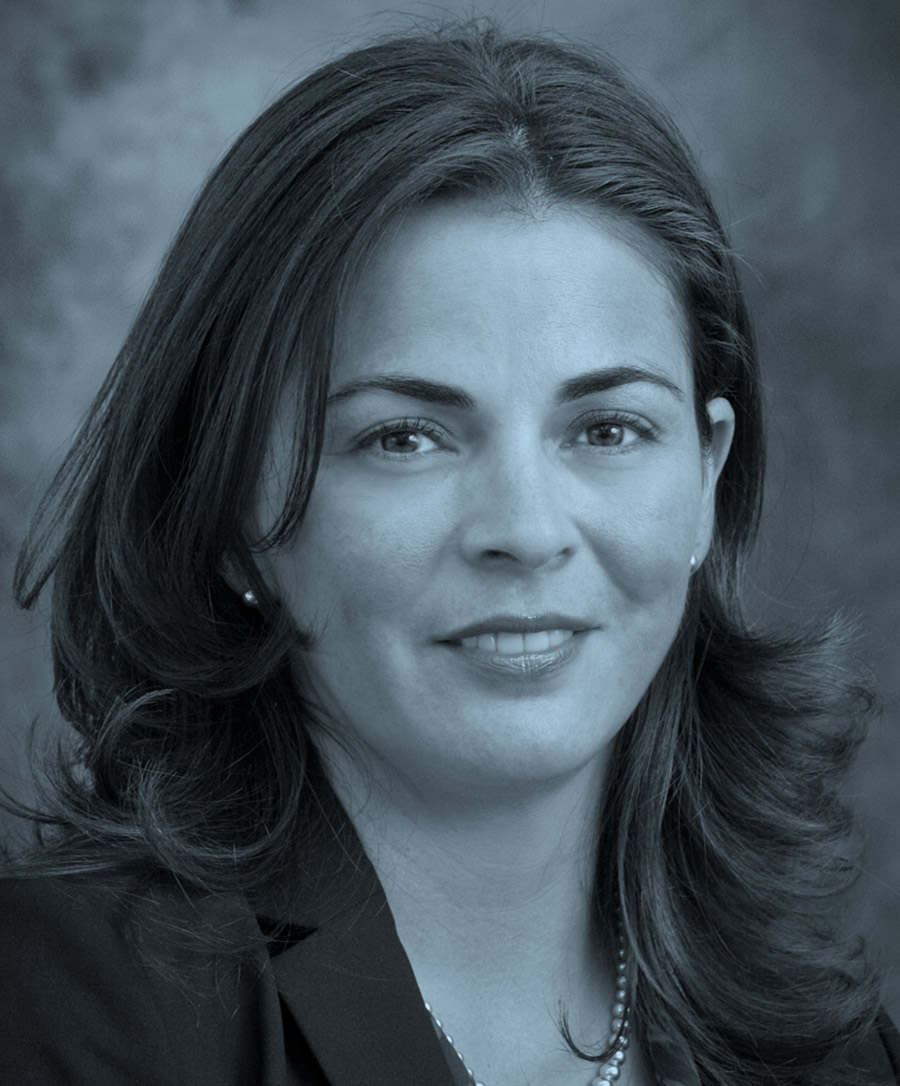
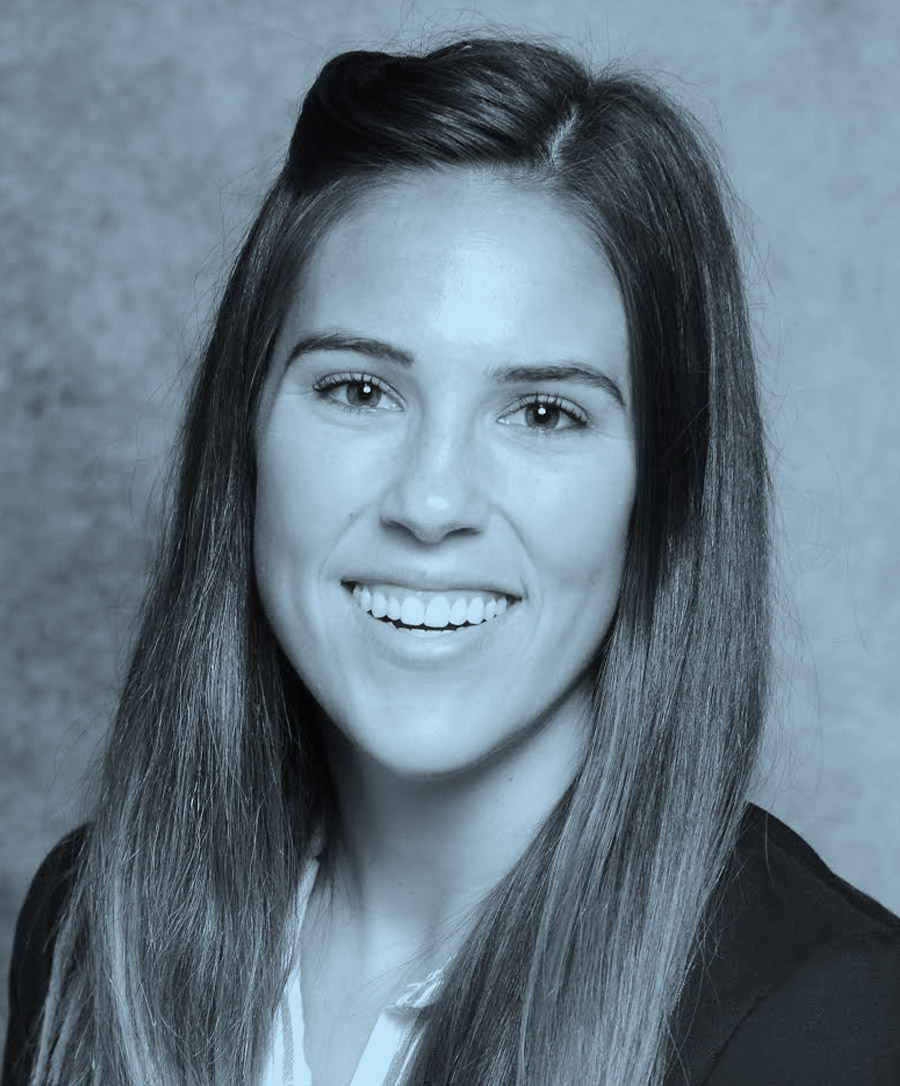
headshot of Christina Behringer
Christina Behringer
Delegate, Region 16
Snowline Joint USD
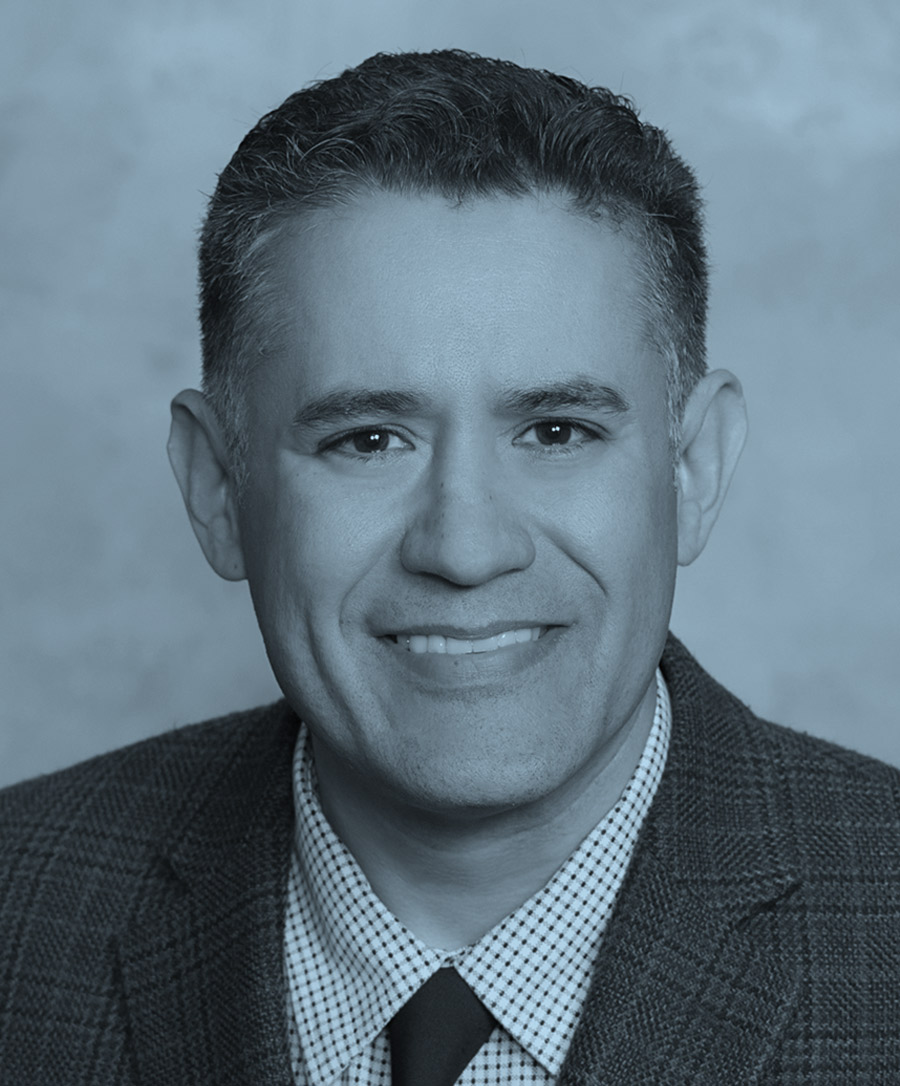
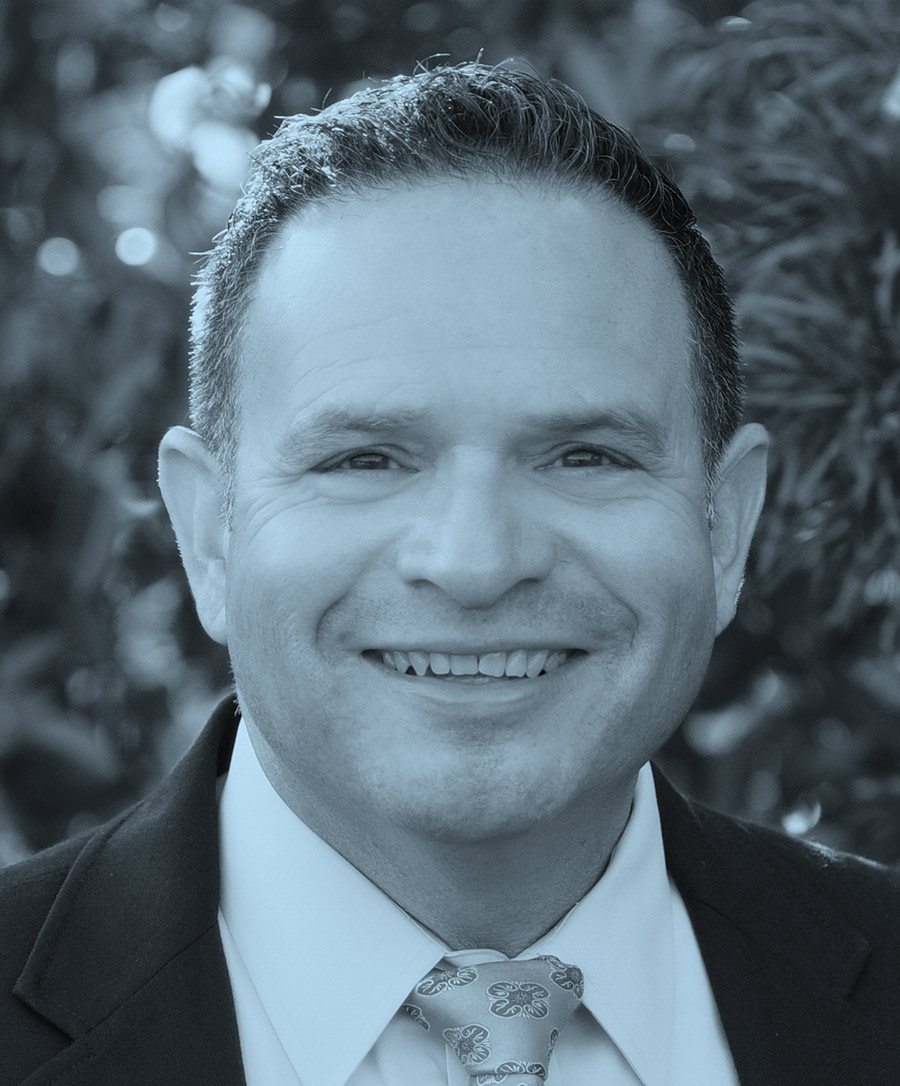
headshot of Jorge Pacheco Jr.
Jorge Pacheco Jr.
Delegate, Region 20
Santa Clara COE
headshot of Gayle Garbolino-Mojica
Gayle Garbolino-Mojica
Superintendent
Placer COE
headshot of Moises Aguirre
Moises Aguirre
Superintendent
Sweetwater Union HSD
headshot of Nancy Albarran
Nancy Albarran
Superintendent
San Jose USD
headshot of Derk Garcia
Derk Garcia
Superintendent
Roseville City SD
headshot of Dr. Steve Ladd
Dr. Steve Ladd
Consultant
Education Expert
headshot of Patti Herrera
Patti Herrera
Consultant
Political Expert
Attorney Advisory
Committee
headshot of Vibiana Andrade
Vibiana Andrade
Los Angeles COE
headshot of Spencer Covert
Spencer Covert
Parker & Covert LLP
headshot of Sue Ann Salmon Evans
Sue Ann Salmon Evans
Dannis Woliver Kelley
headshot of Peter K. Fagen
Peter K. Fagen
Fagen Friedman & Fulfrost LLP
headshot of Paul Loya
Paul Loya
Atkinson, Andelson, Loya, Ruud & Romo
headshot of Jeffrey Riel
Jeffrey Riel
Long Beach Unified School District
headshot of Sloan Simmons
Sloan Simmons
Lozano Smith
CSBA
Staff
headshot of Robert Tuerck
Robert Tuerck
Chief Legal Counsel
headshot of Rachel Disario
Rachel Disario
Deputy General Counsel
headshot of Bode Owoyele
Bode Owoyele
Associate General Counsel
headshot of Dana Scott
Dana Scott
Associate General Counsel
headshot of Anita Ceballos
Anita Ceballos
Paralegal
Current Activities
PROPOSITION 98/EDUCATION FUNDING
CSBA v. State of California and Director of Finance Stephenshaw – California Superior Court, County of Sacramento (Case No. 24WM000146)

MEMBER(S) INVOLVED: All CSBA members

IMPORTANCE AS A STATEWIDE ISSUE:
The ELA has historically been on the front lines of protecting Proposition 98 and that remains true when addressing the implementing language of Senate Bill 153, the 2024 Education Budget Trailer Bill. The language at issue arose from the over-estimation of Proposition 98 revenues by the Department of Finance (DOF) when state tax filings were delayed due to natural disasters in the state. Proposition 98 establishes a minimum level of funding for public schools and community colleges. It accomplishes this through constitutional language that requires “the moneys to be applied by the State for the support of school districts and community college districts shall not be less than the greater of” three alternate tests.
Facilities
Lompoc USD v. Office of State Controller – California Superior Court, County of Los Angeles (Case no. 26STCP01576)

MEMBER(S) INVOLVED: Lompoc Unified School District

IMPORTANCE AS A STATEWIDE ISSUE:
This lawsuit challenges a ruling recently issued by the California Uniform Public Construction Cost Accounting Act (CUPCCAA) Commission holding that any district that opts into the CUPCCAA is no longer eligible to use non-bidding project delivery methods such as the California Multiple Award Schedules (CMAS) programs, lease-leaseback, piggybacking, and joint purchase agreements (JPAs).
California Public Records Act

Voice of San Diego v. San Diego USD – Court of Appeal, Fourth Appellate Division (Case no. D084327)

MEMBER(S) INVOLVED: San Diego Unified School District

IMPORTANCE AS A STATEWIDE ISSUE:

The opinion in this case, if published, will would establish as judicial precedent when questions arise as to whether a public agency complies with the CPRA by responsive records “promptly available” when a request is received. The opinion could help to clarify for public agencies, as well as the public, the production duty of a public agency under the CPRA. The Court rejected the interpretation of Government Code section 7922.530(a) requirement that a public agency make responsive records “promptly available” as requiring the production of records “within days or a few weeks” of the 10- to 24-day deadline for determining whether the agency is in possession of responsive records. The Court instead affirmed the trial court’s interpretation which would allow for an assessment of “promptness” based on particular circumstances of the particular case. According to the Court, “Appropriate factors to consider in assessing promptness include the specificity and breadth of the request, the nature and location of the records sought, the volume of data to be searched, the storage medium that must be accessed, the level of review required for any exemptions and redactions, and the complexity of the request; as well as the size, scope and complexity of the business or activities of the agency responding to the request.”
Immunity for Off-Campus Injury
Victor Valley UHSD v. Superior Court (Magistrale) – California Supreme Court (Case no. S298193)
MEMBER(S) INVOLVED: Victor Valley Union High School District
IMPORTANCE AS A STATEWIDE ISSUE:
The case involves the interpretation of Education Code Section 44808, which provides school districts with immunity from liability when a student is injured off campus.

In 1978, the California Supreme Court decided the case Hoyem v. Manhattan Beach City Sch. Dist. (1978) 22 Cal.3d 508 (Hoyem), a case directly related to section 44808 and how it should be applied. In Hoyem, a 10-year-old student left campus during the school day and was injured by a motorcycle at a public intersection. The Supreme Court held that Section 44808 did not provide immunity to the district when the 10-year-old student was injured by a motorcycle at a public intersection when he left campus during the school day because the on-campus negligence led to the off-campus injury. Thus, under Hoyem, a school district’s immunity under Section 44808, became subject to the facts and circumstances of the case.

Special Education — Statute of Limitations
J.R., by and through his mother, Maria Perez v. Ventura Unified School District – United States Court of Appeals for the Ninth Circuit (Case No. 25-334)
MEMBER(S) INVOLVED: Ventura Unified School District
IMPORTANCE AS A STATEWIDE ISSUE:
In special education matters, both the Individuals with Disabilities Education Act (IDEA) and the California Education Code provide a two-year statute of limitations for parents to bring claims against local educational agencies alleging their child was denied a free appropriate public education (FAPE) or other violations related to special education. The statute of limitations begins when the parent knew or should have known of the alleged actions by the LEA that form the basis of the complaint. Courts have interpreted this “discovery rule” as meaning that a parent has two years from the date they knew or should have known their child’s education was inadequate to bring a claim against an LEA. The two-year statute of limitations can be paused (or “tolled”), however, if the LEA either misrepresents that it had resolved the problem forming the basis of the claim or withholds information that it was required to provide to the parent. This is a relatively high standard to meet and generally requires intention by the LEA to mislead the parent.

Mental Health Funding

State of Washington v. U.S. Department of Education – Ninth Circuit Court of Appeals (Case no. 26-510)

MEMBER(S) INVOLVED: All CSBA Members

IMPORTANCE AS A STATEWIDE ISSUE:

This is a lawsuit brought by several states, including California, that seeks to require the U.S. Department of Education (ED) to restore cancelled funding, specifically the Mental Health Service Professional Demonstration Grant Program (MHSP) and the School-Based Mental Health Services Grant Program (SBMH). These grants have been awarded to “high-need, low income, and rural schools” according to the complaint filed by the plaintiff states. In April 2025, the ED discontinued the grants, alleging a conflict with the administration’s priorities. According to the complaint, “The Department implemented its Non-Continuation Decision by sending boilerplate notices to Plaintiffs claiming that their grants conflicted with the Trump administration’s priorities and would not be continued.” ED intends to recompete these Program funds based on new priorities, which it identified as “merit, fairness, and excellence in education,” and which it communicated to the grantees for the first time in these boilerplate notices. The complaint alleged the notices discontinuing the funds violated the Administrative Procedure Act, federal regulations regarding grant continuation, the Constitution’s Spending Clause and Congress’ General Education Provisions Act Equity Directive.

Sovereign Immunity

Kluwe v. Huntington Beach Union HSD – Ninth Circuit Court of Appeals (Case no. 26-1911)

MEMBER(S) INVOLVED: Huntington Beach Union High School District

IMPORTANCE AS A STATEWIDE ISSUE:

The 11th Amendment provides, “[t]he Judicial power of the United States shall not be construed to extend to any suit in law or equity, commenced or prosecuted against one of the United States by Citizens of another State, or by Citizens or Subjects of any Foreign State.” This is referred to as “sovereign immunity.” This immunity bars lawsuits for money damages against states or entities that are considered “arms of the state,” unless Congress has specifically authorized such a suit (e.g., the Individuals with Disabilities Education Act authorizes suits against school districts in federal court). Numerous school districts have obtained dismissals of lawsuits against them based on this doctrine.

Charter School Petitions

Vista Charter Schools v. California State Board of Education – California Supreme Court (Case no. S297574)

MEMBER(S) INVOLVED: All CSBA Members

IMPORTANCE AS A STATEWIDE ISSUE:

This case provides needed clarification for the standard of review that the California State Board of Education must use when considering an appeal of a charter school petition and the determination of what is an “abuse of discretion.” Additionally, the decision states plainly that school district boards and county boards of education only need to make one finding out of the eight available from the Education Code when deciding to deny a charter petition.
CSBA logo

California School Boards Association
(800) 266-3382 | (916) 371-4691
www.csba.org