

Often, academic-centered interventions, such as high-dosage tutoring or professional development for educators, are among proposed solutions to addressing achievement gaps and learning loss resulting from the pandemic, natural disasters and more.
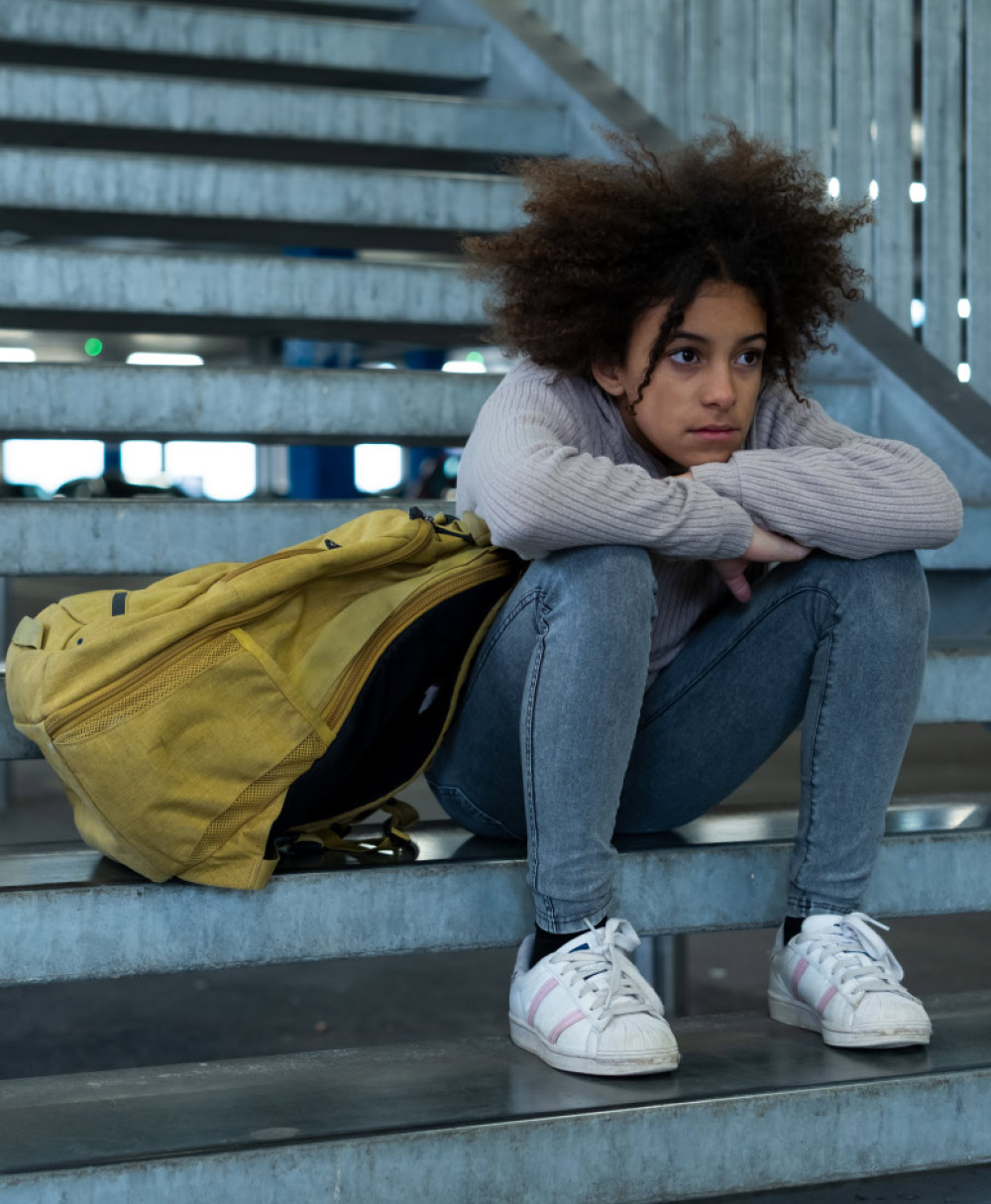
However, a positive school climate free of bullying should be on policymakers’ radars as they implement policies to improve academic outcomes. Bullying and cyberbullying impact a student’s ability to learn and can have damaging consequences on a child’s self-esteem, physical and mental health, and can lead to school avoidance. These factors combine to negatively impact their academic achievement and other outcomes.
Bullying can also lead to lasting emotional, psychological and educational harm to victims, as well as perpetrators, with research indicating that individuals who bully others are more likely to suffer academically in school, abuse drugs and alcohol as they get older, and be more prone to committing subsequent violence or experience more acts of violence.
Open, consistent communication with students regarding the importance of identifying and mitigating bullying is encouraged to improve school climate and safety, but determining where to start can be a challenge for administrators.
CSBA’s Research and Education Policy Development (REPD) Department published a governance brief, “School safety: Bullying and cyberbullying,” (csba.pub/bully-prevention) that includes definitions and statistics on bullying and cyberbullying, information on the impacts of bullying and signs that someone is being bullied, how LEAs can help students and families, examples of bullying prevention communications, sample questions for board members and other resources. The brief is part of CSBA’s Safe Schools Toolkit.
Published in 2023, this resource remains as necessary and timely as ever, said REPD Principal Research Manager Angela Asch, the brief’s author.
“Every year, LEAs can strengthen their connections to students and families by fostering a safe and supportive school environment. A positive school climate benefits the entire school community from students to staff,” Asch said. “We know from research that when students feel safe, supported and connected to their school, they are more likely to attend and engage. CSBA’s research brief shares evidence-based programs and communication strategies used by LEAs of various sizes from across the state. Bullying Prevention Month is an opportune time for governance teams to review and update their policies on bullying, harassment and discrimination and to consider implementing the bullying prevention programs and resources highlighted in the brief.”
Under Assembly Bill 2291, the Safe Place to Learn Act adopted in 2018, LEAs are required to adopt bullying prevention policies and practices. Additionally, California anti-bullying laws include cyberbullying acts that occur on or off school sites, and require LEAs to notify parents and families when a student is involved in harassment, intimidation, cybersexual bullying, or bullying, and must share information on statewide resources with parents and families regarding harassment, intimidation, cybersexual bullying, and bullying.
To support governance teams, in addition to guiding questions, CSBA’s bullying and cyberbullying brief includes relevant CSBA sample policies, administrative regulations and legal guidance. The California Department of Education (CDE) also provides more information, policies and complaint procedures for specific student populations.
Throughout California, LEAs have implemented programming that includes some of the above factors. For example, Stockton Unified School District’s peer-led PLUS program trains students to act as restorative advocates for prevention of and reducing bullying and school violence, alcohol and drug use, suicides and other risk factors by promoting opportunities for building a strong sense of belonging.
Additionally, Stockton USD school counselors deliver social-emotional lessons through the Second Step Curriculum to students on how to recognize and define bullying, understanding how bullying can affect them and their peers, empathize with individuals who are bullied, and understand what they can do when they or someone they know are being bullied.
Woodland USD provides the community with comprehensive guidance and resources in multiple languages to ensure more students and families have the information needed to understand bullying and intervene safely when they see it.
- CSBA Safe Schools Toolkit: www.csba.org/SafeSchoolsToolkit
- CDE: www.cde.ca.gov/ls/ss/se/bullyres
- PACER’s National Bullying Prevention Center: www.pacer.org/bullying/nbpm
- National Child Traumatic Stress Network: www.nctsn.org