

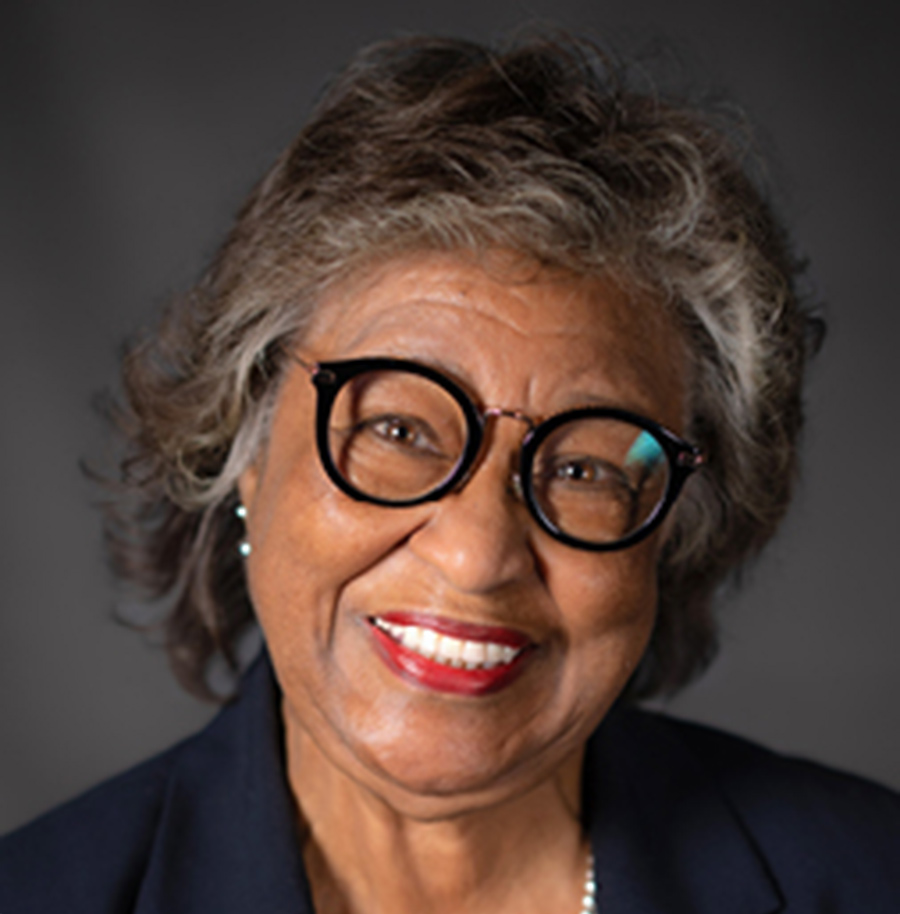
President’s Message: Bettye Lusk
This is an important distinction for anyone in a position of public trust, especially for school board members. School trustees function as stewards of a community’s most important institution, its public schools, and as guardians of the community’s most valuable resource, its children.
The gravity and visibility of the school board position requires that we avoid even the appearance of impropriety, because rest assured, all eyes are on us. Every year, the Gallup polling company publishes survey results measuring Americans’ perceptions of public education. The latest version, released in February 2025, showed that 73 percent of respondents were dissatisfied with public schools, up from 68 percent last year and from 57 percent in 2001. While there are many reasons for that, any behavior that further shakes public trust in our leadership undermines the mission and effectiveness of public schools. According to a longer 2022 Gallup poll, the top five concerns about public education were: poor or outdated curriculum, poor quality education, failure to teach basic subjects, political agendas and lack of instruction in life skills.
I mention this now because March is National Ethics Awareness Month — a perfect time to revisit the deep moral responsibility we have as school board members. These are challenging times for governance teams as the combined pressure of budget cuts, demographic challenges, political upheaval, social fracture and increased partisanship place a strain on school board members. The job has never been more difficult than it is now. Yet, the stress and temptations of the job are no excuse for ethical wobbles that besmirch the reputation of your colleagues on the board, diminish public trust in your local educational agency and potentially reduce funding and support for the students you serve.
That final obligation, “comply with ethics training requirements,” now carries the force of law in California. Until recently, school board members were exempt from the mandatory training required of other public officials. That changed in September 2022, when Gov. Gavin Newsom signed Assembly Bill 2158. The bill, which applies to all school trustees elected in November 2022 or later, and all school board members in office as of Jan. 1, 2025, requires school district governing boards, county boards of education and governing bodies for charter schools to complete ethics trainings every two years during their term of service.
Theodore Roosevelt once said: “To educate a man in mind and not in morals is to educate a menace to society.” I am comforted to know CSBA is at the forefront of helping our members meet their legal requirements, but it is even more gratifying to know we are encouraging school trustees to go beyond mere compliance toward ethical excellence and the highest ideals of public service.