

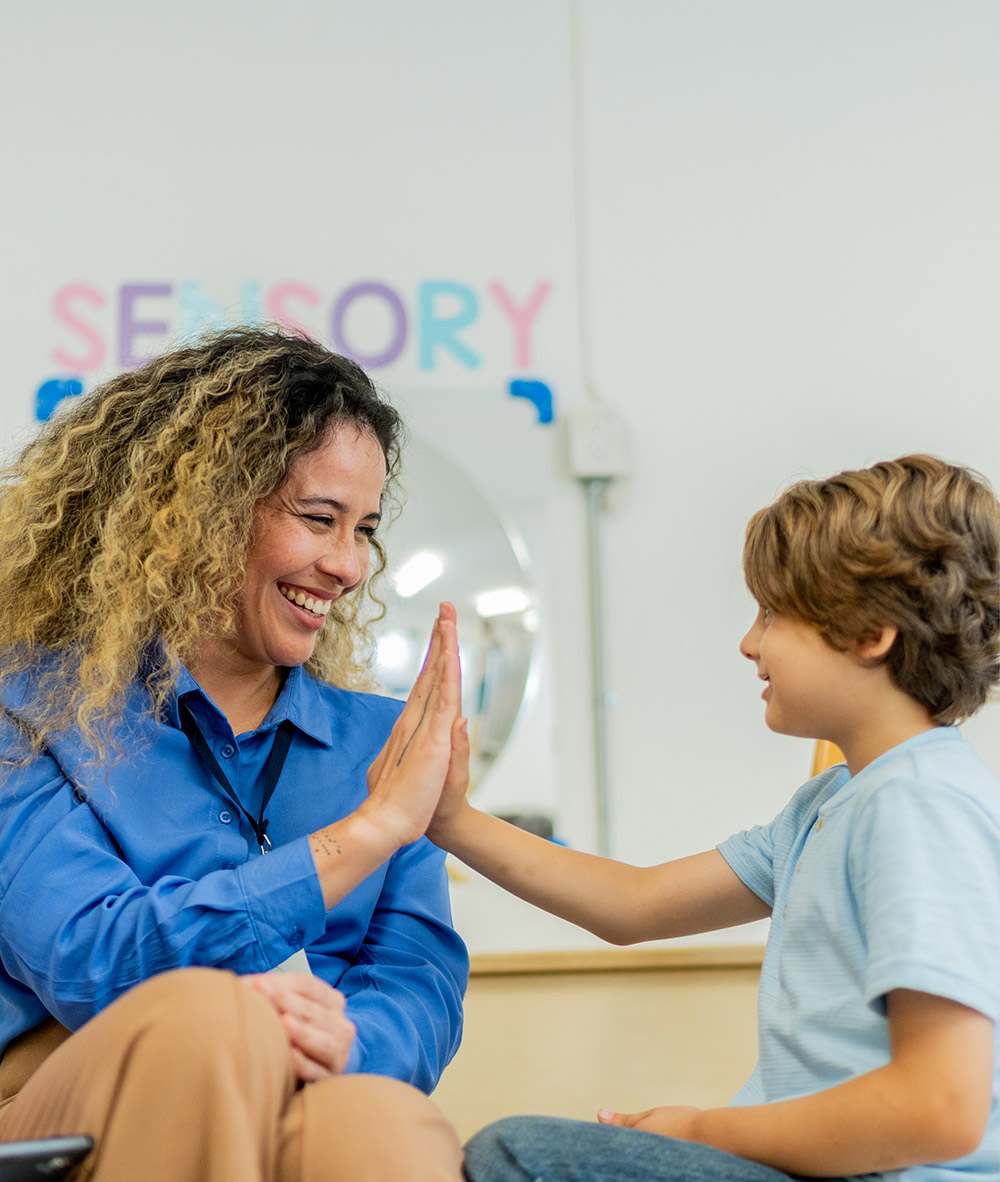
“Understanding special education is key to governing effectively, even though board members do not play a direct role in identification of disabilities in students,” said Angela Asch, CSBA principal research manager. “Governance teams review and approve budgets and professional development and communicate with their school communities about programs and services the local educational agency provides to its students. These actions impact students with disabilities, their education team and their families, so it’s important for school board members to understand the issues impacting this student group.”
During the 2025–26 school year, 883,862 students with identified disabilities were enrolled in California public schools, an 11 percent increase over the past four years. “Several factors may be at play for this increase in identification over time; some of these changes could be explained by the reclassification of students as physicians, families and educators become more knowledgeable about specific disabilities, and may therefore be identified earlier,” Asch explained.
Proper identification of students with a specific learning disability is critical for accessing the appropriate services to enhance their capacity to learn. The CSBA brief identifies the various disability categories. The brief acknowledges a spectrum of diagnoses, from indisputable conditions, such as blindness or a child with a profound stutter, to disabilities that might not be as clear, such as attention deficit hyperactivity disorder. It also provides information on identifying English learners with disabilities, which can be more challenging due to distinguishing a learning delay from a language delay.
In 2023–24, there were 3,407,047 services provided to California’s students with disabilities, with many receiving multiple services, according to data from the California Department of Education. The most-provided services are specialized academic instruction, language and speech support and vocational/career support.
Disproportionality occurs when students are over- or under-identified for special education based on race, ethnicity or disability type. While most research has found that children of color are identified with disabilities at higher rates than their peers, other studies have found the opposite. Regardless, California is attempting to address patterns of inequity in identification of children with disabilities. IDEA requires states and LEAs to consistently gather data to track instances of these kinds of imbalances, and California has put safeguards in place to flag LEAs that have been found to be consistently and significantly disproportionate and have them spend a percentage of their IDEA funds to address imbalances.
“School board members can utilize several data sources such as the California School Dashboard, their LEA’s California Assessment of Student Performance and Progress scores and their Local Control and Accountability Plan,” Asch said. “They can use the Dashboard to examine their LEA’s status on academic achievement, graduation rates and chronic absenteeism for their students with disabilities. They can also review suspension and expulsion rates for this student group and look at how those rates compare to other student groups within their LEA and the state. Comparing current and past school years’ Site Plan for Student Achievement may help identify areas of concern too. By reviewing their LEA’s goals for this student group and identifying any barriers to achieving those goals early, they can adjust and redirect resources.”
The brief also covers the importance of early identification in children from birth through age 3, and early childhood services that are available.
