


s California school districts navigate tightening budgets, staffing shortages and rising student needs, leaders are increasingly being asked to do more with less while still improving outcomes related to attendance, discipline and school climate. Investments that reduce downstream costs and strengthen internal capacity are a critical component of responsible district stewardship.

One approach gaining traction is a shift away from reactive, compliance-driven discipline systems toward strategies that address the conditions that lead to student disengagement and exclusion in the first place. At the University of San Diego SOLES Center for Embodied Equity and Neurodiversity (CEEN), this work centers on educator well-being, their capacity to relate to students, and classroom strategies for neurodiverse learners as foundations for student success.
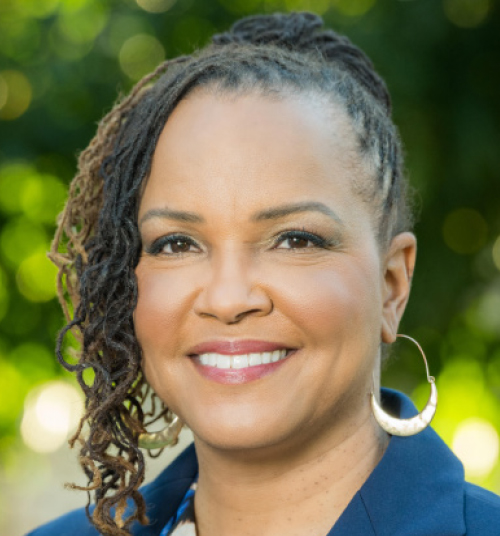
Heart-Centered Connections (HCC), a 37.5-hour professional certificate program developed and led by Niki Elliott, offers an alternative framework grounded in adult capacity-building. Rather than beginning with student compliance, HCC starts with the understanding that adult nervous system regulation, relational awareness and environmental design directly shape how students experience safety, belonging and readiness to learn.
This means supporting educators and staff to lead from a grounded, regulated state; strengthening their ability to co-regulate with students during moments of stress; and designing learning environments that reduce sensory overload and escalation for children who are impacted by learning disabilities or trauma. When adults are equipped to respond skillfully under pressure, exclusionary discipline becomes less frequent because fewer situations escalate to crisis.
The HCC program centers on seven interconnected pillars that holistically support educator practice: self-awareness, interpersonal awareness, neuroinclusive spaces, activated genius, engaged learning, mindful communication and heart-centered repair.
The coherence of this framework matters. Fragmented initiatives and one-time trainings often fail to produce lasting change, while sustained, integrated professional learning builds shared language, strengthens implementation fidelity and reduces reliance on costly reactive interventions.
In response to post-pandemic shifts in student discipline data, the district prioritized professional learning to build adult capacity to address complex student needs, reduce reliance on exclusionary discipline practices, strengthen staff-to-student relationships and improve overall school culture to support positive student outcomes.
STEAM Academy, which serves approximately 850 students in grades 6-8, became the first site to implement HCC at scale. Led by Principal Andrea Radmilovich, the school dedicated an entire academic year of professional development to HCC. This decision required formal approval, including union representation, signaling an institutional commitment to sustained implementation, rather than a short-term intervention.
Implementation began with two full-day in-person immersion sessions, followed by monthly hybrid learning sessions across the school year. Educators, paraprofessionals, counselors, psychologists, campus attendants and administrators practiced and refined one pillar of the HCC model at a time, creating a shared approach to student support and discipline across roles. The superintendent and educational services leaders also participated, supporting alignment between site-level practice and central office expectations.
She noted that staying calm allowed her to remain an effective leader and that the work reinforced that she could “still have a dramatic impact on the students and the staff … by focusing on my own coping mechanisms.”
On post-program exit surveys, participants reported having a new understanding that students require both real and perceived safety and positive relationships before they can engage academically. Others emphasized that recognizing what happens physically when neurodiverse students feel unsafe or overstimulated helped them shift toward proactive, preventative responses rather than punishment.
Collectively, these reflections indicated a shared understanding that nervous system capacity plays a critical role in shaping classroom climate and inclusive learning environments.
Radmilovich noted that staff increasingly stepped in to support one another when an adult appeared overwhelmed or frustrated with a student, gently prompting each other to pause, reset and return to baseline, often using simple movement or breathing strategies learned during training. She observed that these conversations were new and transformative for the school culture.
From a systems perspective, these shifts reduced escalation, improved consistency in adult response and strengthened collective responsibility for student support.
Reductions of this magnitude translate into less instructional disruption, reduced administrative burden and create more stable learning environments.
As a result of these promising outcomes, La Mesa-Spring Valley has approached HCC as a capacity-building strategy rather than an externally dependent program. During the 2025–26 school year, Spring Valley Academy became the second middle school to implement HCC using a train-the-trainer model, allowing the district to scale implementation while reducing reliance on outside consultants.
- Reducing exclusionary discipline and its disproportionate impact on students of color and those with learning disabilities
- Helps fulfill requirements of Senate Bill 274, which severely restricts the use of exclusionary discipline for “willful defiance”
- Supporting staff retention by addressing burnout and secondary trauma
- Improving school climate through preventive strategies
- Aligning professional learning with equity, wellness and safety goals
- Maximizing return on investment through internal capacity-building
As districts continue to make difficult decisions about where to invest limited resources, professional learning that builds adult capacity for regulation, connection and neuroinclusive design deserves careful consideration. When educators are supported to lead from a grounded state — and when districts commit to building internal expertise — schools become more stable, responsive and financially resilient.