







Spring 2026
The California School Boards Association is the essential voice for public education. We inspire our members to be knowledgeable leaders, extraordinary governance practitioners and ardent advocates for all students.


LEAs show that with the right support, children facing extreme challenges can thrive
by Alisha Kirby

And the LEAs that are addressing them with innovative solutions
by Kimberly Sellery

What education leaders need to know about this evolving crime
by Heather Kemp
CEO’s note
by Vernon M. Billy

n April, CSBA and our partners at the Association of California School Administrators (ACSA) led approximately 250 California school board members and superintendents to Washington, D.C. where we made the case for policies, investments and support to strengthen schools and improve student outcomes in our state. Our efforts in Washington were an extension of the work CSBA staff and our members perform on daily basis, but they were also an affirmation of some of this county’s founding principles: freedom of speech and the right to petition your representatives for laws and policies that reflect your interests.

Major anniversaries invite celebration, but they also demand introspection. Two and a half centuries after America’s founding, we must evaluate our triumphs and failures, our progress and setbacks, and determine what is needed to move forward as a people. Public education has a large role to play in this essential process, because the study of history and civics is needed to create the foundational understanding required for productive politics.

CSBA 2026 Board of Directors
-
Tyler NelsonRegion 1, Ukiah USD
-
Bruce RossRegion 2, Redding ESD
-
Robin JankiewiczRegion 3
-
Renee NashRegion 4, Eureka Union SD
-
Patricia MurrayRegion 5
-
Jessicca RogersRegion 6, El Dorado Union HSD
-
Rachel HurdRegion 7, San Ramon Valley USD
-
Christopher “Kit” OaseRegion 8, Ripon USD
-
Roger SnyderRegion 9, Scotts Valley USD
-
Kathy SpateRegion 10, Caruthers USD
-
Daniel SandovalRegion 11
-
William FarrisRegion 12, Sierra Sands USD
-
Annette LewisRegion 14, Contra Costa COE
-
Susan HenryRegion 15, Huntington Beach Union HSD
-
Karen GrayRegion 16, Silver Valley USD
-
Eleanor EvansRegion 17, Oceanside USD
-
Bruce DennisRegion 18, Riverside COE
-
Devon ConleyRegion 20, Mountain View Whisman SD
-
Rocio RivasRegion 21
-
Nancy SmithRegion 22, Palmdale SD
-
Helen HallRegion 23, Walnut Valley USD
-
Jan BairdRegion 24, South Whittier ESD
-
Chris ClarkDirector-at-Large African American, Folsom-Cordova USD
-
Christina Cameron-OteroDirector-at-Large American Indian, Needles USD
-
Sylvia LeongDirector-at-Large Asian/Pacific Islander, Cupertino Union SD
-
Ramon FloresDirector-at-Large County, Ventura COE
-
Alma Carina CastroDirector-at-Large Hispanic, Lynwood USD
legal insights
ssembly Bill 715, effective Jan. 1, 2026, has the stated goal of promoting educational equity and preventing antisemitism in California schools. According to the uncodified legislative intent, its passage was prompted by reports of a widespread surge in antisemitism discrimination, harassment and bullying. The bill was immediately challenged in court on the grounds that it violated the First and 14th amendments to the U.S. Constitution. However, in a ruling that demonstrates the very nuanced nature of speech claims, the court ruled that AB 715 meets constitutional muster.
Chief Information Officer
Troy Flint, tflint@csba.org
Editorial Director
Kimberly Sellery, ksellery@csba.org
Senior Staff Writers
Heather Kemp, hkemp@csba.org
Alisha Kirby, akirby@csba.org
Director of Marketing and Communications
Monica Griffis, mgriffis@csba.org
Director of Graphic Design and Branding
Kerry Macklin, kmacklin@csba.org
Senior Graphic Designer
Amanda Moen, amoen@csba.org
Graphic Designer
Thairah Singharath, tsingharath@csba.org
CSBA officers
Dr. Debra Schade, Solana Beach SD
President-elect
Sabrena Rodriguez, Ventura USD
Vice President
Jackie Thu-Huong Wong, Washington USD
Immediate Past President
Dr. Bettye Lusk, Monterey Peninsula USD
CEO & Executive Director
Vernon M. Billy
Articles submitted to California Schools are edited for style, content and space prior to publication. Views expressed are those of the authors and do not necessarily represent CSBA policies or positions. Articles may not be reproduced without written permission of the publisher. Endorsement by CSBA of products and services advertised in California Schools is not implied or expressed.


CSBA Presidents from 1931 to 2031
Prompted by discussions among several boards throughout California about the need to advocate for educational programs, 29 school board members from 12 counties gathered at the Donner School auditorium in Sacramento on Sept. 8, 1931, to form the California School Trustees Association, later to be known as the California School Boards Association.
To mark the upcoming 100th anniversary of CSBA in 2031, California Schools is taking a historical look at the CSBA Presidents from 1931 to the future president in 2031. The winter issue covered the first four presidents.

s California school districts navigate tightening budgets, staffing shortages and rising student needs, leaders are increasingly being asked to do more with less while still improving outcomes related to attendance, discipline and school climate. Investments that reduce downstream costs and strengthen internal capacity are a critical component of responsible district stewardship.

One approach gaining traction is a shift away from reactive, compliance-driven discipline systems toward strategies that address the conditions that lead to student disengagement and exclusion in the first place. At the University of San Diego SOLES Center for Embodied Equity and Neurodiversity (CEEN), this work centers on educator well-being, their capacity to relate to students, and classroom strategies for neurodiverse learners as foundations for student success.
research spotlight
By Angela Asch
CSBA’s Small School District Advisory Workgroup focuses on the superintendent-principal
CSBA’s Small School District Advisory Workgroup is composed of small and rural local educational agencies across the state with an average daily attendance (ADA) of 2,500 or fewer students. The workgroup convenes monthly to address various issues that impact these districts.
Topics raised in meetings over the last three years have led to more awareness of the issues of small and rural LEAs and resulted in legislation that better supports them. Recent projects include development of a comprehensive list of county office of education services for small and rural LEAs; reports on state and federal reporting requirements, resulting in CSBA’s co-sponsorship of Senate Bill 1315 and subsequent SB 374; and research on a statewide survey about the impact of late start legislation, SB 328.

We’ve found the most success with programs that focus on improved teacher performance in the area of literacy, which increases academic success for all student groups and closes achievement gaps. The state can certainly help districts with funding for this, but it needs to come with the fewest strings possible to give districts the most flexibility for what works best for them. It may be used specifically for additional professional development (PD) or, for example, substitute time or extra-duty pay to facilitate PD or professional learning community work by staff.
I’m most proud of the academic success that our district has experienced despite the pandemic and its aftermath. We have continued to make growth each year as measured by our California Assessment of Student Performance and Progress scores. Last year, six out of 14 our schools were recognized as California Distinguished Schools. And we received recognition in both the Harvard and Stanford studies of post-pandemic academic progress.
Understanding the budget process both at the state and district level is important for every board member. My finance background has certainly helped me with that but budgets, the Local Control and Accountability Plan (LCAP), negotiations and other things that get into the numbers are ultimately about goals and priorities — everyone has to learn the process and participate.
I just completed my 11th year as a board member. The great Saugus [Union] SD experience that my kids and family had was my inspiration to run; I want to ensure that same experience for every future student and their families.
My mother. She ran for public office twice in the 1970s back when there were not very many women doing that. She gave me the courage to run for office. And John F. Kennedy for public service; I guess some of that rubbed off on my daughter who just returned from Morocco after two years in the Peace Corps.
We need to continue to address the social-emotional and mental health needs of our students and families. We’ve seen both pre- and post-pandemic a greater need for our schools to support students and their families with social work, mental health services and family engagement. As a board member, I need to continue to make these services a priority in our goals, LCAP, budget and superintendent evaluation.
Would you like to participate in an upcoming Member Profile? Contact editor@csba.org.
class act
Best practices in action
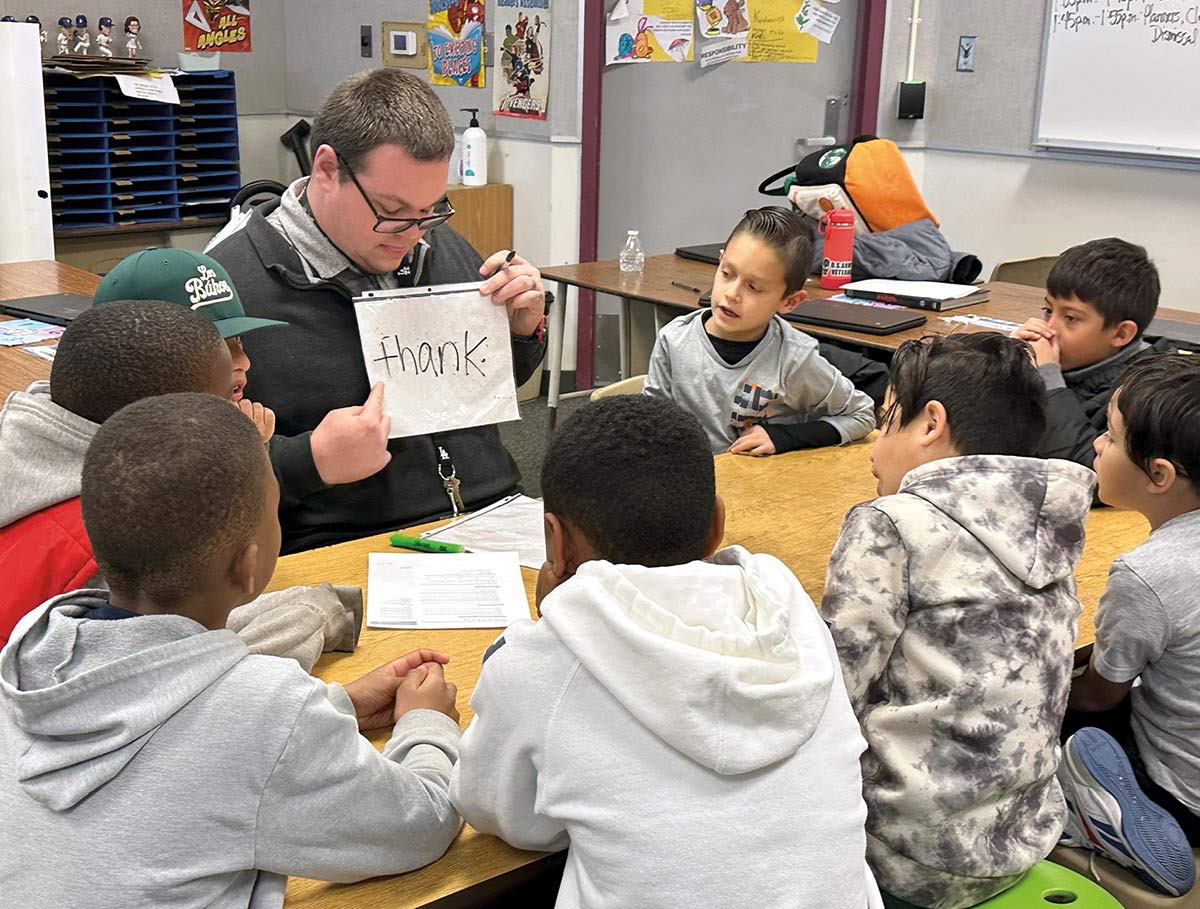
When the program started, almost half of K-3 students were below grade level. Through data-driven, structured literacy and progress monitoring, nearly 100 percent of K-3 students grew in foundational skills and 80 percent of students in grades 4-8 advanced multiple levels.
“One of our board goals is to have everyone reading by third grade and reading on grade level,” explained Christina Fitzgerald, the district’s director of Curriculum and Instruction.
BoardWise
Have a pressing governance question? Send it to boardwise@csba.org and it may be featured in this column.

Jefferson Crain: We are entering contentious times. Facing the unknowns of budgets, labor negotiations, declining enrollment, inflationary costs and other uncertainties create pressures that stress relationships within the school district and with communities.
Unfortunately, many of the issues you will face as a board are beyond your control. You have hard decisions to make that will test the bonds of the common mission of our school communities to educate our children.


By Jeanna Perry and Conni Campbell
Building stability through preparation
igh-performing organizations don’t leave employee preparation and training to chance. They plan, invest and treat it as a long-term strategy. In the business sector, investment in employee training is understood as an essential part of an organization’s long-term return.
For school board members, long-term planning is familiar territory. They make strategic decisions about investments knowing stability and performance don’t happen by accident. The same investment principle applies to the educators who carry the daily responsibilities in classrooms with students.
In education, residency programs are one of the clearest expressions of this belief. Residencies are preparation models that invest at the very beginning of an educator’s career, ensuring each new teacher enters the profession confident, well-prepared and aligned to the communities they serve. Through a full year of on-the-job training paired with intentionally aligned coursework, residents develop the skills, knowledge and site-based expectations needed to be successful from day one. In this model, educator preparation programs become partners with the school community rather than operating parallel to it.


Within weeks, Liam began to act out at school — refusing to follow instructions, screaming at peers when upset or shutting down completely. Back at his foster home he often isolated himself, despite efforts by his foster family to engage him in various activities. His grades continued to plumet, his attendance worsened.
Over time, however, Liam received intensive therapy provided through a local nonprofit that partnered with his district and worked with a counselor at his school to practice managing his emotions. Educators connected lessons to his interests during after-school small group tutoring sessions, which helped to improve his math and English language arts (ELA) outcomes. He began to make friends. He joined a youth soccer team. He was able to share his experiences with his siblings during weekly scheduled phone calls. He began to thrive.


in special education
ccording to Gov. Gavin Newsom’s January Budget Proposal, about 15 percent of California’s TK-12 population, more than 800,000 students, were enrolled in special education in the 2024–25 school year, with disabilities ranging from mild learning disorders to severe autism or traumatic brain injuries. This represents an uptick from 2018–19, when about 13 percent of students were identified for special education services. Over that time, the number of students in special education increased by more than 70,000 students while total California school enrollment decreased by more than 380,000.
Funding has long been a challenge in providing special education services. When the federal Individuals with Disabilities Education Act (IDEA) — a law that requires public schools to provide a free appropriate public education to children with disabilities throughout the nation and ensures special education and related services to those children — was enacted, Congress committed to provide up to 40 percent of the average per-pupil expenditure to pay for its expanded federal mandate. It has never come close. California’s federal share of IDEA funds equaled 8.7 percent of the total spent in 2024–25. This underfunding has had a major impact on local educational agencies’ abilities to balance annual operating budgets and maintain quality education programs and services for all children.


n Feb. 10, for Safer Internet Day 2026, the Federal Bureau of Investigation (FBI) issued a warning about the dangers of sextortion schemes for young people. “The FBI has noticed an increase in the number of cases of sextortion against minors in recent years,” the agency stated.
Knowing the basics, warning signs, resources and what to do should an incident occur are critical components of protecting children. For governance team members, being familiar with these factors, as well as what to do should a staff member be victimized, are essential.


a conversation with…
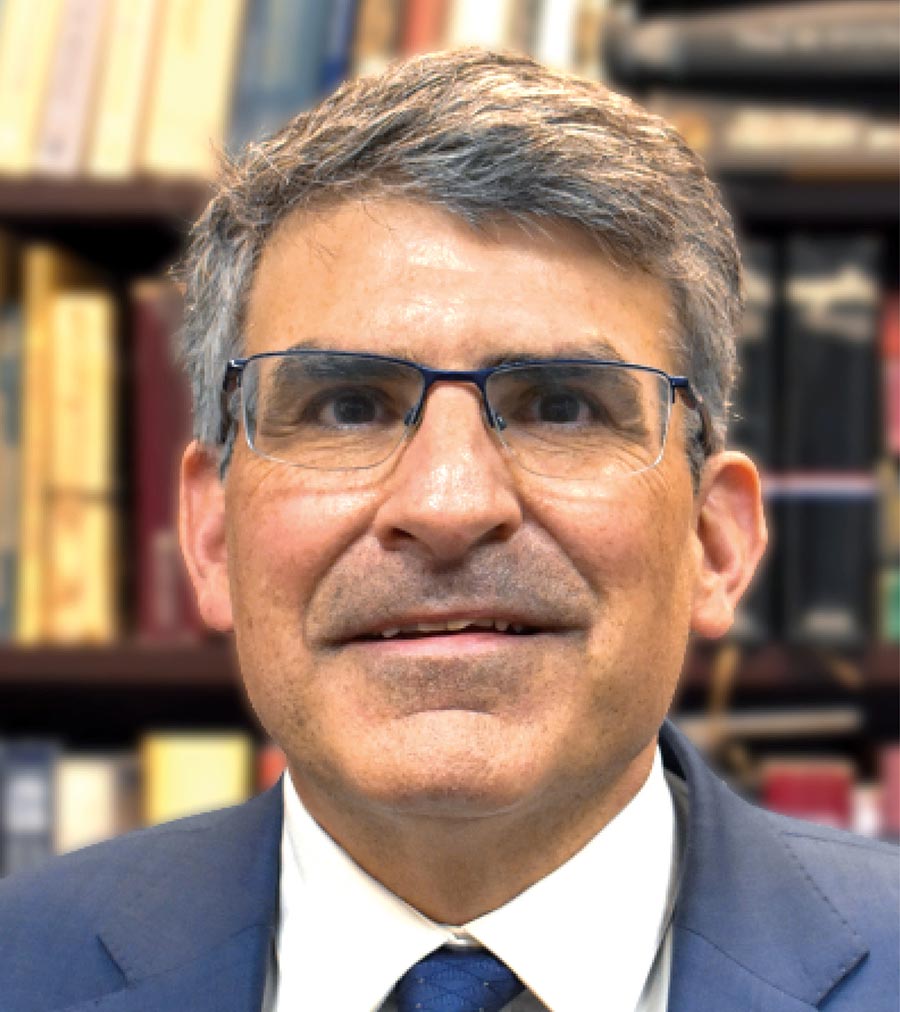
Ahead of the 250th founding of the United States of America this Fourth of July, CSBA spoke with Caresse about the importance of civic education and how to improve its teaching during polarized political times.
a conversation with…
Ahead of the 250th founding of the United States of America this Fourth of July, CSBA spoke with Caresse about the importance of civic education and how to improve its teaching during polarized political times.
I co-authored a 2021 report offering a national-consensus answer to this important question for K-12 schooling, Educating for American Democracy: Excellence in History and Civics for All Learners (EAD). We argued that both civic knowledge and civic virtues are necessary to prepare for committed and effective civic participation by citizens and aspiring citizens of our constitutional democracy.
This must be a high priority for schools, thus state and local educational agency authorities, with appropriate support from the federal government. This model of civics as a renewed priority also requires a recommitment by higher education to preparing teachers with serious civic and history education, so that school communities, and our state and local civic cultures, understand how crucial citizenship education is for sustaining our democratic republic.

ad index
- Atikinson, Andelson, Loya, Ruud & RomoIC
- Blach Construction20
- Brailsford & Dunlavey42
- Buyboard31
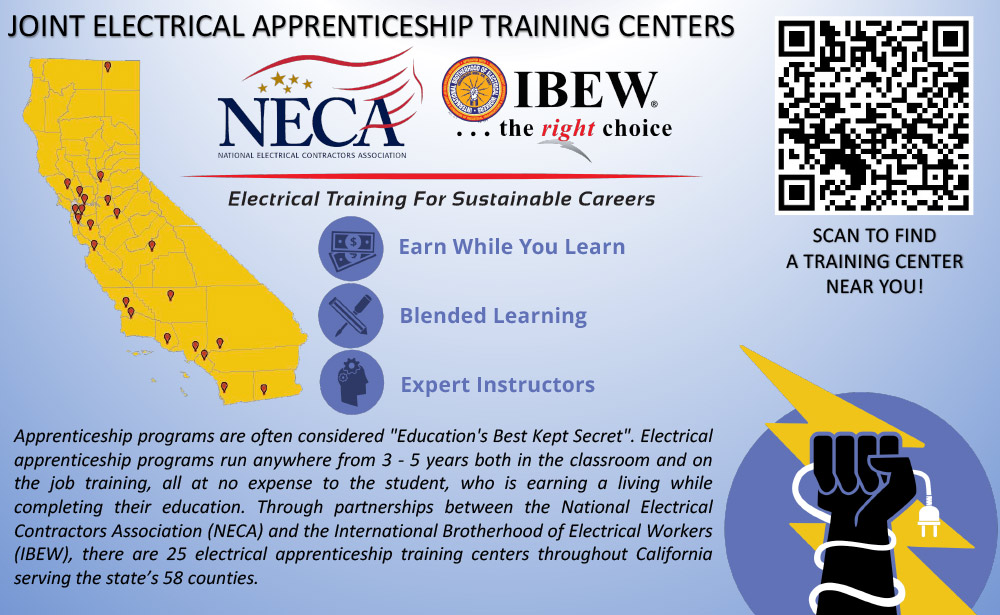
- California Statewide Electrical JATC30
- Certificates of Participation10
- Critical Response Group38
- CSBA Annual Education Conference & Tradeshow16
- CSBA GAMUT1
- CSBA Golden Awards33
- CSBA Legal ServicesIBC
- CSBA SOS for Student Achievement4
- Dannis Woliver Kelley2
- Fagen Friedman & Fulfrost, LLP51
- Isom Advisors14
- Jones Hall44
- Keenan & Associates18
- Leadership Associates32
- Lozano SmithBC
- North Coast States Carpenters Union25
- Orbach Huff + Henderson LLP22
- PARS45
- Piper Sandler21
- PowerSchool49
- Rivercrest Partners50
- SchoolsFirst Credit Union39
- SELF48
- Western States Regional Council of Carpenters46