






Special Issue 2026
The California School Boards Association is the essential voice for public education. We inspire our members to be knowledgeable leaders, extraordinary governance practitioners and ardent advocates for all students.


CSBA’s campaign for state accountability in California’s education system


How the reporting burden takes focus away from students, and CSBA’s advocacy to lighten the load
by Kimberly Sellery

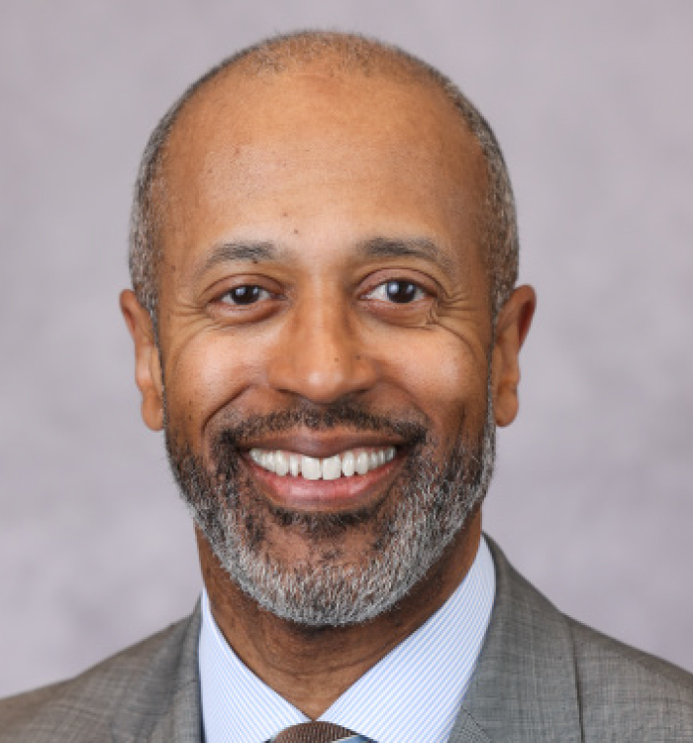

What prompted CSBA to launch the SOS for Student Achievement: Close the State Accountability Gap (SOSSA) campaign?
As long as this state accountability gap exists, LEAs can do everything asked of them and still struggle when state programs are fragmented, guidance is conflicting, funding is misaligned, technical assistance is inconsistent or reporting requirements pull staff away from implementation. Student outcomes remain the ultimate reason for this work, but the campaign is focused on the state-level conditions that make local success more likely.

CSBA 2026 Board of Directors
-
Tyler NelsonRegion 1, Ukiah USD
-
Bruce RossRegion 2, Redding ESD
-
Robin JankiewiczRegion 3
-
Renee NashRegion 4, Eureka Union SD
-
Patricia MurrayRegion 5
-
Jessicca RogersRegion 6, El Dorado Union HSD
-
Rachel HurdRegion 7, San Ramon Valley USD
-
Christopher “Kit” OaseRegion 8, Ripon USD
-
Roger SnyderRegion 9, Scotts Valley USD
-
Kathy SpateRegion 10, Caruthers USD
-
Daniel SandovalRegion 11
-
William FarrisRegion 12, Sierra Sands USD
-
Annette LewisRegion 14, Contra Costa COE
-
Susan HenryRegion 15, Huntington Beach Union HSD
-
Karen GrayRegion 16, Silver Valley USD
-
Eleanor EvansRegion 17, Oceanside USD
-
Bruce DennisRegion 18, Riverside COE
-
Devon ConleyRegion 20, Mountain View Whisman SD
-
Rocio RivasRegion 21
-
Nancy SmithRegion 22, Palmdale SD
-
Helen HallRegion 23, Walnut Valley USD
-
Jan BairdRegion 24, South Whittier ESD
-
Chris ClarkDirector-at-Large African American, Folsom-Cordova USD
-
Christina Cameron-OteroDirector-at-Large American Indian, Needles USD
-
Sylvia LeongDirector-at-Large Asian/Pacific Islander, Cupertino Union SD
-
Ramon FloresDirector-at-Large County, Ventura COE
-
Alma Carina CastroDirector-at-Large Hispanic, Lynwood USD


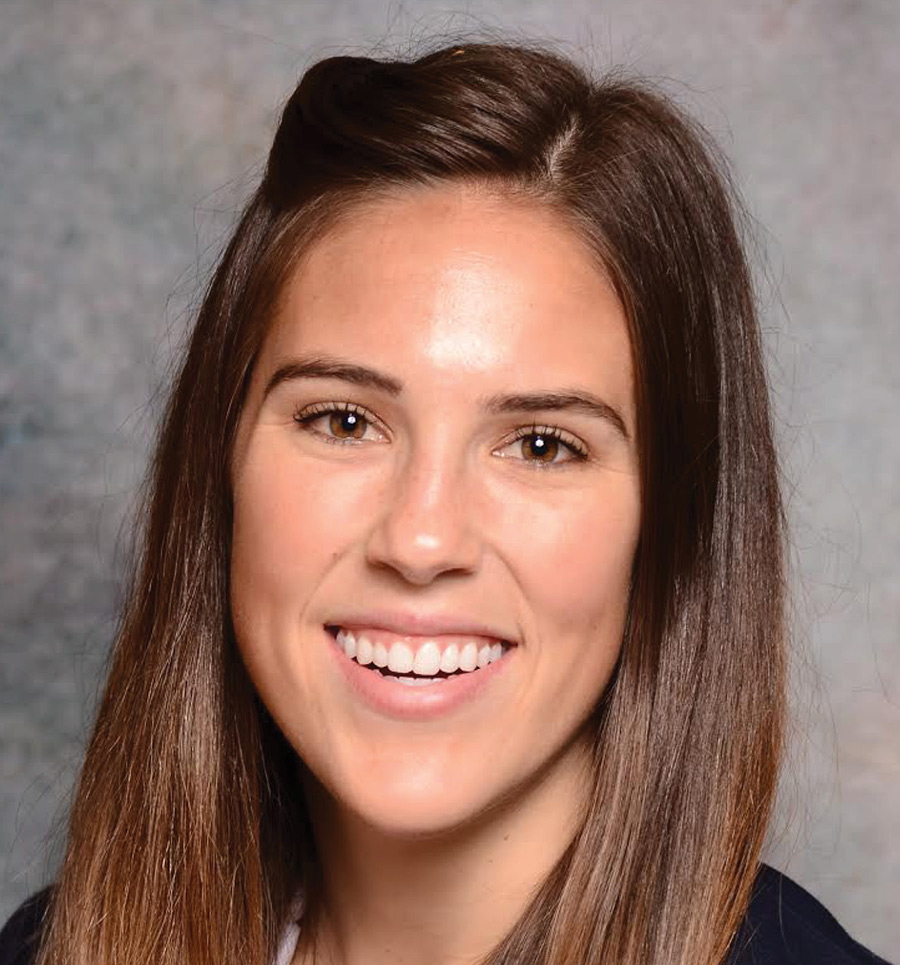
legal insights
n the 1982 case Plyler v. Doe, the U.S. Supreme Court held that under the 14th Amendment’s Equal Protection Clause, states must provide a free public education to undocumented immigrant students. The Equal Protection Clause provides that no state can deny any person within its jurisdiction the equal protection of the laws. Since Plyler, there have been legislative efforts to undermine the decision, including the passage of laws that were eventually struck down by the courts in states such as California and Alabama.

Chief Information Officer
Troy Flint, tflint@csba.org
Editorial Director
Kimberly Sellery, ksellery@csba.org
Senior Staff Writers
Heather Kemp, hkemp@csba.org
Alisha Kirby, akirby@csba.org
Director of Marketing and Communications
Monica Griffis, mgriffis@csba.org
Director of Graphic Design and Branding
Kerry Macklin, kmacklin@csba.org
Senior Graphic Designer
Amanda Moen, amoen@csba.org
Graphic Designer
Thairah Singharath, tsingharath@csba.org
CSBA officers
Dr. Debra Schade, Solana Beach SD
President-elect
Sabrena Rodriguez, Ventura USD
Vice President
Jackie Thu-Huong Wong, Washington USD
Immediate Past President
Dr. Bettye Lusk, Monterey Peninsula USD
CEO & Executive Director
Vernon M. Billy
Articles submitted to California Schools are edited for style, content and space prior to publication. Views expressed are those of the authors and do not necessarily represent CSBA policies or positions. Articles may not be reproduced without written permission of the publisher. Endorsement by CSBA of products and services advertised in California Schools is not implied or expressed.


CSBA Presidents from 1931 to 2031
Prompted by discussions among several boards throughout California about the need to advocate for educational programs, 29 school board members from 12 counties gathered at the Donner School auditorium in Sacramento on Sept. 8, 1931, to form the California School Trustees Association, later to be known as the California School Boards Association.
To mark the upcoming 100th anniversary of CSBA in 2031, California Schools is taking a historical look at the CSBA Presidents from 1931 to the future president in 2031.

research spotlight
By Jeremy Anderson


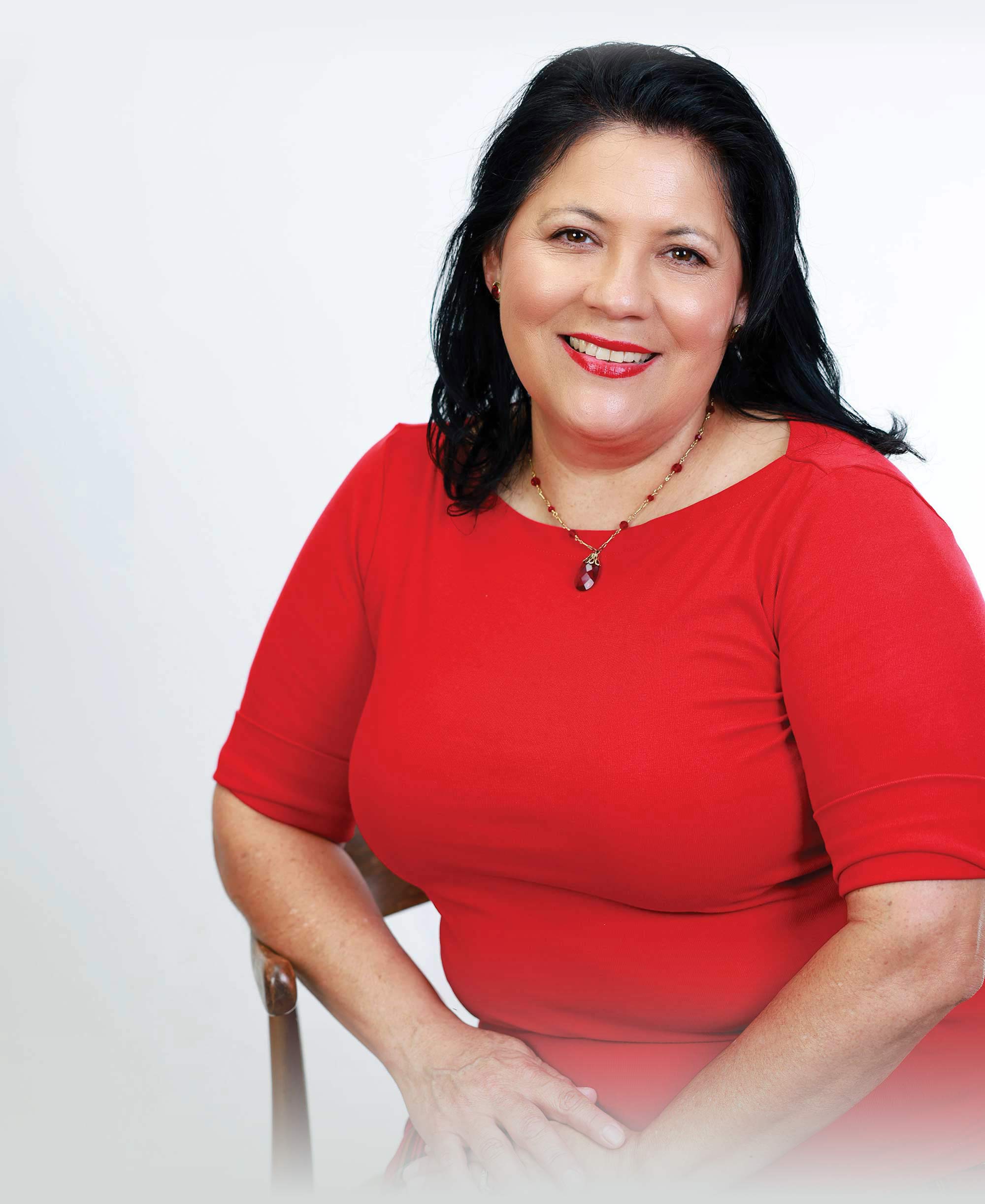
I have been a board member for 15 years. In 2002, I was approached by a board member who attend the same Catholic church as myself. She told me (a very active member), ‘You need to run for school board so you could advocate for our students,’ and the priest said ‘Yes, you could do it.’ The priest told me, ‘You need to go and advocate for those who do not have a voice.’
My mother, who did not finish elementary school and just completed second grade. However, she was very knowledgeable and loved to write recipes. She worked in the fields so hard to bring our daily bread. She migrated to this country to have a better opportunity, she prepared us our meals before she left to work every morning, she used to love to read books about old traditional medicine and she always made us a lemon verbena tea to drink every morning with toast. Another person was my second-grade teacher, who always welcomed us with a warm hug and lovely smile. She had a lot of patience with all children, and had lots of toys to play with when we finished our work.
your district?
One of the accomplishments is the building of a new school. We also brought solar panels to the district and most of the work was done by our local labor union contractors. We also remodeled classrooms, built a new kindergarten area and built a new multipurpose building with a stage for school performances.
One of my major concerns is that we do not have a dual immersion program for our Spanish speakers, and another is to meet the needs of our Indigenous community.
My advice to anybody who wants to run for office is to be themselves and be the voice of our students and community. Do not be there just to warm a chair.
I am product of Greenfield, I went to school here and my parents work in agriculture. I am an English learner, and my parents did not finish school. This is my community, my people, and I wanted to leave a good legacy and be proud of who I am today, thanks to my parents and God for always being by my side. I am a role model for all young girls who are English learners, whose parents did not have an education, but they have a big heart as a human being. I am a proud woman who majored in early childhood education, which can be the most important years of a child’s life. On top of that, I am a mother of five amazing children, and my husband, Alejandro, has always been by my side supporting me. I am very grateful to be serving my community. I am the voice of the mother, the teacher, the coworker.
Would you like to participate in an upcoming Member Profile? Contact editor@csba.org.

class act
Best practices in action

The initiative, launched at Fontana High School in 2016, has expanded access to higher education for local students and teaches important life skills while providing a memorable, celebratory moment for families. The district estimates that more than 10,000 students have participated over the years.

BoardWise
Have a pressing governance question? Send it to boardwise@csba.org and it may be featured in this column.

Start by building a trust-based relationship between the board and superintendent. This is every bit as important as setting strategic goals. It’s easy to be tempted to dive into the work — especially when there is a lot of work to do — but giving time and energy to this critically important relationship will send a signal to the entire school community that the new governance team is starting strong.


hen it comes to assigning teachers to classrooms, district leaders tend to trust their gut. Protect your strongest teachers from burnout. Reward effectiveness with easier rosters. Put your best people where the stakes are highest. These instincts aren’t unreasonable — but research suggests those are often the wrong choices.
Research consistently shows that novice teachers are disproportionately assigned students with lower prior achievement, higher rates of disciplinary incidents and greater academic needs. A 2019 analysis of Los Angeles Unified School District data found this pattern was widespread and consequential. Even after accounting for the tendency to assign struggling students to newer teachers, more demanding classroom conditions still slowed teacher development. The effect was equivalent to the learning gap between a first-year teacher and a third- or fourth-year one.
The prevailing response to this development has been to point the finger at local educational agencies, even though they are awash in mandates, audits, dashboards and reporting requirements imposed by the state. Yet, no comparable accountability measures exist to determine whether state-level programs and requirements are working as intended and whether its investments are being optimized to help local schools support student success.




In addition to providing insights into more recent challenges, data can shine light on persistent issues like achievement gaps and the kinds of programs that can successfully address them.
Programs throughout the state, including Porterville Unified School District’s data model that serves as a framework for equitable student growth and Livermore Valley Joint USD’s Math Data Protocol, are examples of how LEAs can harness metrics and make a difference in the outcomes of learners. Both districts won 2025 CSBA Golden Bell Awards in the Using Data to Support Student Success category for their efforts.
Reporting and accountability are a way of life for those in governing positions and are necessary components of measuring outcomes and communicating them to the public. Yet, when requirements are excessive or implemented without thoughtful consideration, reporting systems can become counterproductive and interfere with what should be the main focus of the public education system: supporting the academic and social-emotional needs of students.
When CSBA researchers began to dig into the issue and look for a comprehensive source of information for all reporting requirements, they discovered the state had no such list. So, CSBA set out to reveal the landscape of requirements that school leaders must adhere to. At the same time, the Research and Education Policy Development (REPD) Department interviewed personnel from local educational agencies varying in size and location to share their perspectives on how reporting requirements affect their ability to do the core functions of their jobs.

Reporting and accountability are a way of life for those in governing positions and are necessary components of measuring outcomes and communicating them to the public. Yet, when requirements are excessive or implemented without thoughtful consideration, reporting systems can become counterproductive and interfere with what should be the main focus of the public education system: supporting the academic and social-emotional needs of students.
When CSBA researchers began to dig into the issue and look for a comprehensive source of information for all reporting requirements, they discovered the state had no such list. So, CSBA set out to reveal the landscape of requirements that school leaders must adhere to. At the same time, the Research and Education Policy Development (REPD) Department interviewed personnel from local educational agencies varying in size and location to share their perspectives on how reporting requirements affect their ability to do the core functions of their jobs.
a conversation with…
a conversation with…




- Fast, efficient financing
- Interest rate refinancing
- Fixed and variable interest rate options
- Flexible prepayment provisions
- Ownership of the asset


Participation Program
ad index
- Atikinson, Andelson, Loya, Ruud & Romo53
- Brailsford & Dunlavey52
- Burke, Williams & Sorensen, LLP16
- Buyboard18
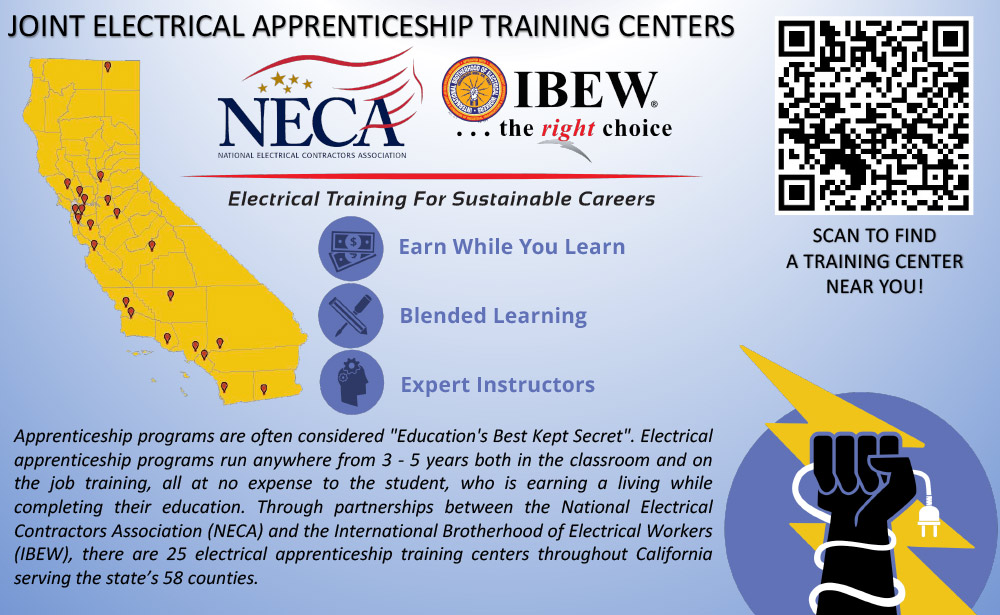
- California Statewide Electrical JATC54
- Certificates of Participation55
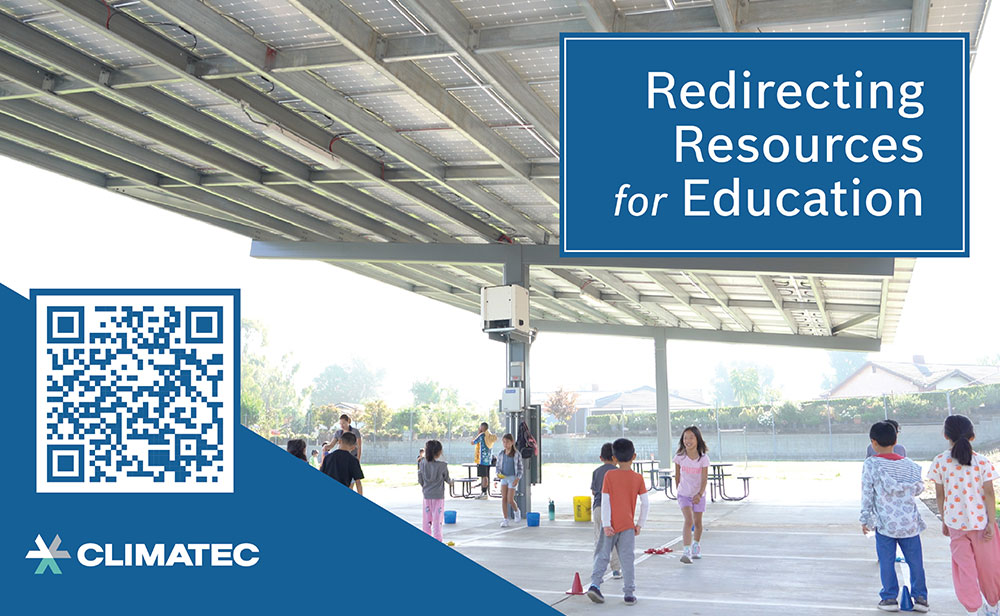
- Climatec22
- CSBA Annual Education Conference & Trade ShowIC
- CSBA Counties Conference1
- CSBA Education Legal Alliance4
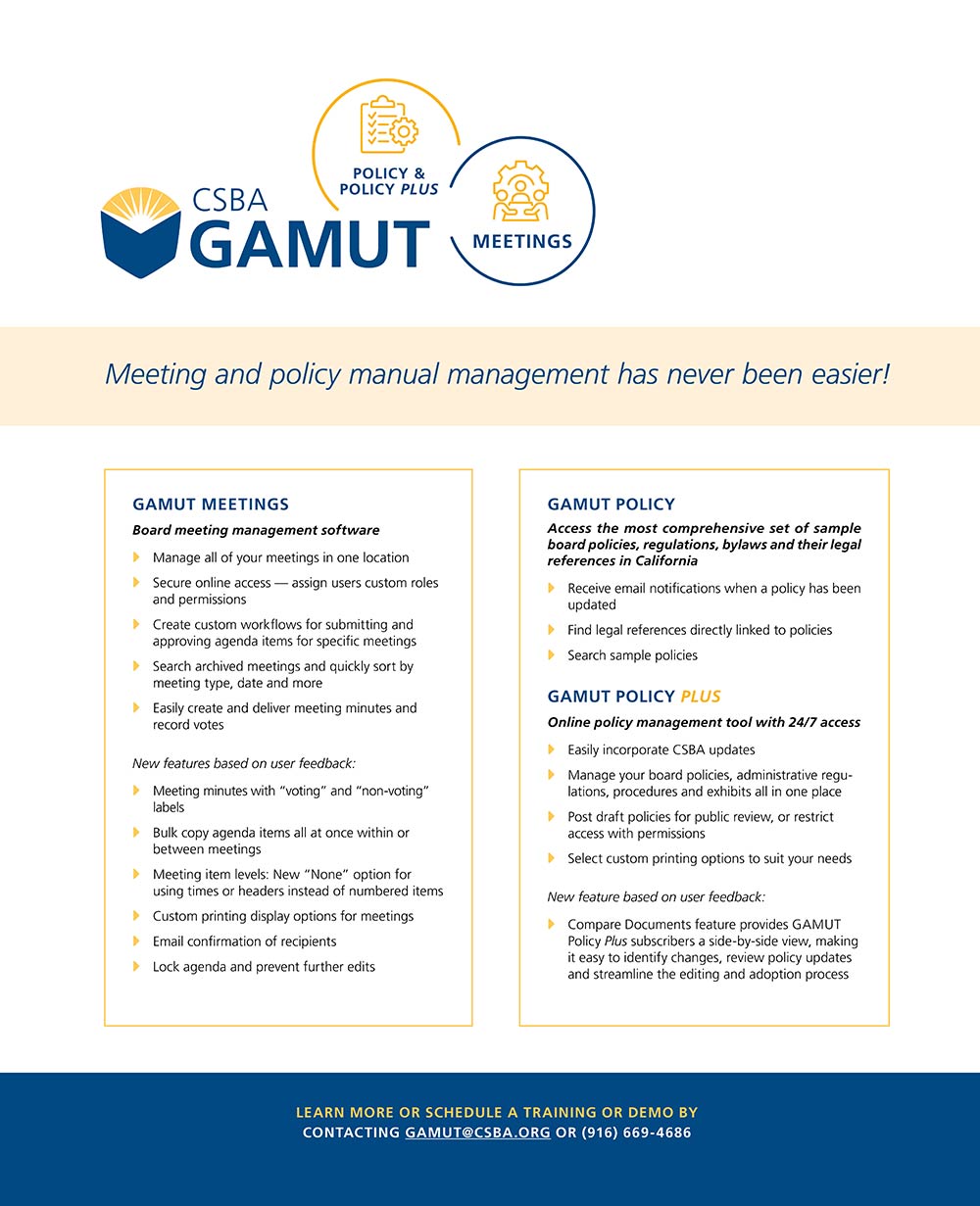
- CSBA GAMUT43
- CSBA Legal ServicesIBC
- Dale Scott & Co7
- Dannis Woliver Kelley2
- Fagen Friedman & Fulfrost, LLP20
- GASB Reporting37
- Jones Hall48
- Keenan & Associates24
- Lozano SmithBC
- National Demographics35
- North Coast States Carpenters Union23
- OPEB10
- Opterra42
- Orbach Huff + Henderson LLP27
- PARS8
- Piper Sandler33
- SELF32
- Total School Solutions50
- Western States Regional Council of Carpenters14
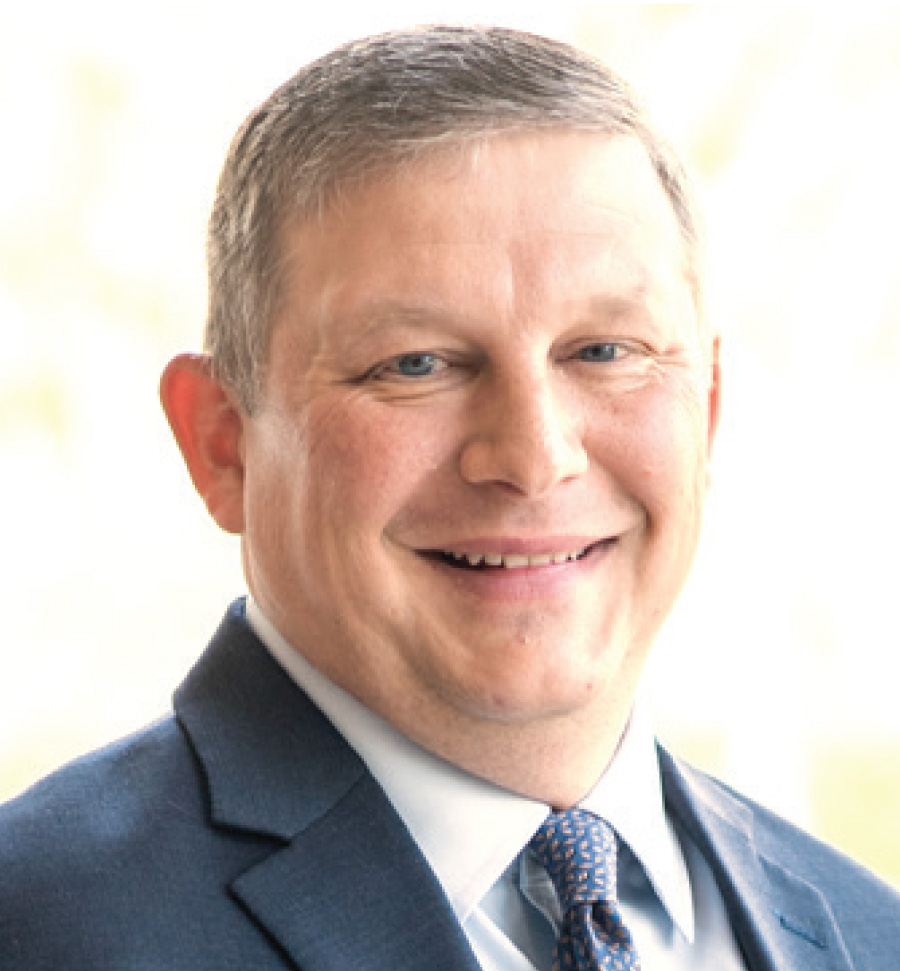
Bob joined CSBA as a Senior Policy Consultant in September 2014 and served as the Assistant Executive Director of Policy and Governance Technology Services, overseeing CSBA’s sample policies and GAMUT programs from 2017–21. Bob now has the privilege of serving as Chief Legal Counsel for CSBA’s Legal Services program, providing legal advice and representation to CSBA member school districts and county offices on education issues.
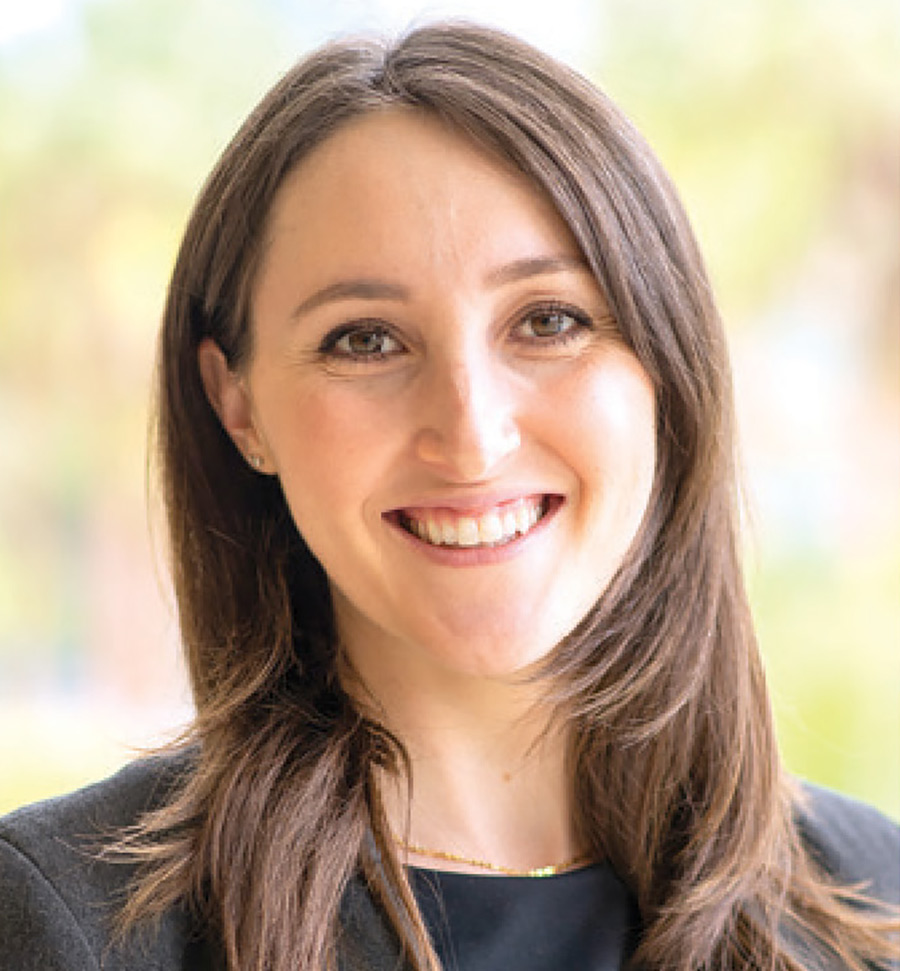
Alex provides legal advice and representation to school districts and county offices of education in all areas of education law. Alex is a certified mediator and an academic workplace investigator specializing in discrimination, harassment and Title IX matters. She handles a variety of employment law issues, including consultation on progressive discipline, performance evaluations, non-renewals and employee-leave benefits.
Bob joined CSBA as a Senior Policy Consultant in September 2014 and served as the Assistant Executive Director of Policy and Governance Technology Services, overseeing CSBA’s sample policies and GAMUT programs from 2017–21. Bob now has the privilege of serving as Chief Legal Counsel for CSBA’s Legal Services program, providing legal advice and representation to CSBA member school districts and county offices on education issues.
Alex provides legal advice and representation to school districts and county offices of education in all areas of education law. Alex is a certified mediator and an academic workplace investigator specializing in discrimination, harassment and Title IX matters. She handles a variety of employment law issues, including consultation on progressive discipline, performance evaluations, non-renewals and employee-leave benefits.